
Wellness Retreat Overview: The 2026 Strategic Editorial Pillar
In the high-velocity landscape of the mid-2020s, the “wellness retreat” has transitioned from a niche luxury to a strategic necessity for physiological and psychological maintenance. This evolution reflects a growing societal recognition that health is not merely the absence of disease, but a proactive state of optimized function. As digital saturation and chronic sympathetic nervous system arousal become the default human experience, the retreat serves as a “controlled environment”—a temporary container where variables like light, sound, nutrition, and social interaction are deliberately manipulated to facilitate systemic recalibration.
The efficacy of these immersions is rooted in the biological principle of hormesis: the application of controlled, beneficial stress to trigger adaptive growth. Whether through the rigor of a metabolic bootcamp or the profound sensory deprivation of a silent retreat, these environments are designed to “re-tune” the human instrument. However, the market’s expansion has led to significant fragmentation. The modern seeker must now navigate a spectrum of offerings ranging from clinical longevity centers and bio-optimization labs to rustic, lineage-based spiritual asylums. Discerning high-fidelity experiences from superficial hospitality requires an analytical framework that moves beyond aesthetic allure.
This comprehensive analysis provides a definitive editorial audit of the global retreat landscape. It serves as a flagship resource for individuals and organizations seeking to understand the structural, economic, and biological dynamics of intentional immersion. By moving past the “spa-centric” definitions of previous decades, we explore the retreat as an engineered intervention—a launchpad for long-term behavioral transformation and the reclamation of cognitive sovereignty.
Understanding “Wellness Retreat Overview”
To engage with a wellness retreat overview is to examine the intersection of environmental psychology and functional medicine. A fundamental misunderstanding persists that a wellness retreat is simply a “high-end vacation.” In reality, a vacation often prioritizes indulgence and the suspension of responsibility, which can inadvertently lead to “recovery debt”—the fatigue resulting from irregular schedules and sensory overstimulation. A wellness retreat, by contrast, is a “Regulated System” that prioritizes the optimization of the host’s biological and psychological state.
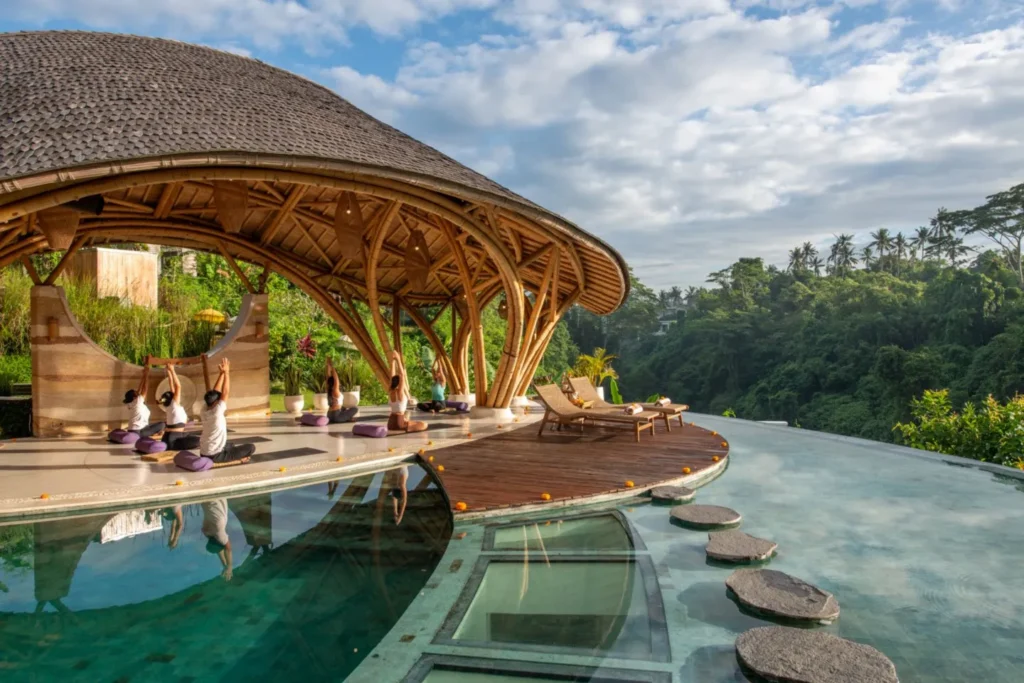
Oversimplification risks are profound in this sector, particularly the “Aesthetic Trap.” The visual tranquility of a location—be it a cliffside in Tulum or a valley in Tuscany—does not inherently guarantee a restorative outcome. True efficacy is determined by the “Curriculum of Care”: the specific sequence of movement, nutrition, and stillness protocols administered by credentialed staff. A high-fidelity retreat utilizes “Choice Architecture” to reduce decision fatigue, allowing the participant’s prefrontal cortex to enter a state of rest while the autonomic nervous system shifts from “fight-or-flight” to “rest-and-digest.“
Furthermore, the “wellness retreat overview” must account for the shift toward “Precision Wellness.” As of 2026, the elite tier of the market has integrated biometrics—tracking heart rate variability (HRV), sleep architecture, and glucose response—to adjust programming in real-time. This moves the experience from a generic “one-size-fits-all” model to a clinical-grade health intervention. Consequently, the “best” retreat is not the one with the most amenities, but the one whose environmental architecture most accurately aligns with the participant’s current physiological deficit.
Contextual Background: The Evolution of the Healing Sanctuary
The lineage of the modern retreat is not found in the luxury hotel, but in the sacred and the medicinal. Ancient traditions, such as the Ayurvedic Panchakarma in India or the Greco-Roman Thermae, established the prototypes of “Hydro-Social Sanctuaries.” These sites were founded on the belief that water, temperature, and silence were primary therapeutic agents. The 19th-century “Sanatorium Movement” in Europe and North America further refined this by introducing rigorous discipline—strict wake times, standardized nutrition, and fresh-air exposure—to treat the “neurasthenia” of the industrial revolution.
The late 20th century saw the “Wellness Revolution” in California (exemplified by the opening of Esalen and later Canyon Ranch), which introduced psychological processing and Eastern movement practices to the Western elite. This period democratized the retreat, shifting the focus from treating illness to achieving “High-Level Wellness.” By the early 2010s, wellness had become a status symbol, leading to a decade of “Boutique Immersion” where aesthetics often outpaced clinical rigor.
Today, we have entered the “Integrated Longevity Era.” The contemporary sanctuary is a hybrid of a research hospital, a luxury resort, and a spiritual cloister. This convergence is driven by the $1.1 trillion global wellness tourism market, where travelers are increasingly seeking measurable data and “Bio-Optimization” protocols. The retreat has become the “Maintenance Shop” for the human machine, providing the necessary recalibration to survive the pressures of a hyper-connected global economy.
Conceptual Frameworks: Mental Models for Evaluating Retreat Integrity
1. The “Hormetic Load” Balance
This framework assesses a retreat’s ability to safely apply stress to trigger growth.
-
Mechanism: Does the retreat include “Stressors” (sauna, cold, fasting, intense hiking) paired with “Recovery Support” (sleep coaching, nutrient-dense food)?
-
Limit: Too much stress (e.g., a beginner attempting a 10-day silent meditation) can lead to psychological “flooding” or physical injury; too little stress leads to stagnation.
2. The “Staff-to-Subject” Expertise Ratio
Evaluates the depth of professional oversight.
-
Indicator: High-integrity retreats maintain a 1:1 or 1:2 staff-to-guest ratio, with a high percentage of practitioners holding advanced degrees (MD, PhD, PsyD) or deep lineage-based certifications.
-
Failure: A “wellness resort” staffed entirely by general hospitality workers without specialized health training.
3. The “Transferability” Model
Asks the critical question: “Will the benefits survive the airport?“
-
Factor: Does the retreat teach a replicable skill (e.g., box breathing, functional cooking) or does it merely provide a passive service (e.g., a massage)?
-
Action: Prioritize “Education-Heavy” retreats for long-term behavioral ROI.
The Taxonomy of Modern Immersion: Categories and Strategic Trade-offs
Identifying the correct modality requires understanding the “Primary Biological Lever” each category intends to pull.
| Category | Primary Focus | Key Trade-off | Ideal For |
| Medical Longevity | Advanced Diagnostics/Bio-hacking | High cost; clinical atmosphere | Metabolic reset; disease prevention |
| Silent/Contemplative | Neurological/Psychological reset | High “Boredom Shock” | Chronic stress; cognitive burnout |
| Bootcamp/Fitness | Metabolic flexibility/Strength | Physically grueling; low “relaxation.” | Physical stagnation; weight reset |
| Nature Immersive | Parasympathetic activation | Remote; limited amenities | Digital detox; creative block |
| Lineage-Based (e.g., Ayurveda) | Traditional/Systemic healing | Rigid protocols; non-Western | Root-cause work; spiritual depth |
| Aesthetic/Spa | Sensory pleasure/Skin health | Surface-level; less “root” change | Short-term rest; beauty optimization |
Realistic Decision Logic
A participant must audit their “Dominant Deficiency.” If the deficiency is Biochemical (blood markers, hormones), a Medical Longevity retreat is required. If the deficiency is Neurological (chronic stress, brain fog), a Silent or Nature-based retreat will yield superior results by removing the “Performance Pressure” inherent in clinical or fitness settings.
Real-World Scenarios: Decision Points and Failure Modes
Scenario 1: The “Burnout” Executive
-
Context: A 50-year-old CEO with high blood pressure and chronic insomnia.
-
Decision: Avoid “Bootcamp” retreats. The sympathetic nervous system is already overtaxed. Selecting a “Silent Nature Retreat” focusing on forest bathing and sound therapy activates the parasympathetic “brake” without adding physical cortisol load.
-
Failure Mode: Choosing a high-intensity fitness retreat that causes a “Rebound Crash” upon returning to the office.
Scenario 2: The “Post-Viral” Recovery
-
Context: An individual seeking to restore mitochondrial function after prolonged illness.
-
Decision: A Medical Longevity retreat offering hyperbaric oxygen therapy (HBOT) and NAD+ infusions.
-
Second-Order Effect: The clinical oversight ensures that “Hormetic Stressors” (like saunas) are applied at a dose that doesn’t cause a systemic relapse.
Economics of the Retreat: Direct Costs vs. The Opportunity Cost of Burnout
The pricing of a retreat reflects the “Intensity of Environmental Control.“
| Tier | Weekly Cost (USD) | Oversight Level | Typical Inclusions |
| Elite/Clinical | $15,000 – $35,000 | MD-led team | Full diagnostics, 24/7 concierge, bio-hacking |
| Premium/Boutique | $5,000 – $12,000 | Professional practitioners | Meals, classes, daily treatments, luxury lodging |
| Self-Directed/Rustic | $1,500 – $4,000 | Facilitated/Community | Basic lodging, group classes, communal dining |
The Opportunity Cost Analysis: While a $20,000 stay seems exorbitant, it must be weighed against the cost of “Executive Attrition” or chronic lifestyle-related diseases (diabetes, cardiovascular events). If a week of immersion resets the metabolic trajectory and extends the “Productive Lifespan” by even one year, the ROI is mathematically undeniable.
Tools and Strategies: The Support Systems of Effective Integration
A retreat is only as effective as its “Integration Phase”—the period immediately following re-entry into the default world.
-
Pre-Arrival “Downward Glide”: 72 hours before arrival, eliminate caffeine, alcohol, and high-sugar foods. This prevents “Day 1 Withdrawal Headaches” from consuming the first portion of the retreat.
-
The “Digital Guardrail”: Switch to a “dumb phone” or a physical journal for the duration. The removal of the “Salience Network” trigger (notifications) is essential for neurological rest.
-
The “Analog Anchor”: Identify one physical ritual from the retreat (e.g., a specific morning stretch or herbal tea) to replicate at home. This serves as a “Pavlovian Trigger” to return the nervous system to its retreat-state.
-
Circadian Synchrony: Use “Red-Light” filters on all devices post-retreat to maintain the melatonin production levels established during the immersion.
-
The “Post-Stay Buffer”: Schedule two days of “Empty Space” upon returning home before resuming work. Transitioning directly from a silent retreat to a board meeting is a recipe for “Systemic Shock.“
The Risk Landscape: Identifying Compounding Failure Modes
The primary risk in the retreat sector is the “Aesthetic Bypass”—where a beautiful location masks a lack of clinical safety or practitioner depth.
-
The “Guru” Risk: Retreats built around a single charismatic personality rather than a replicable methodology. If the “Guru” is absent or discredited, the participant’s progress often collapses.
-
Nutritional “Aggression”: Sudden, radical dietary shifts (e.g., juice fasting) without metabolic preparation. This can trigger acute “Detox Reactions” that render the retreat’s educational components ineffective.
-
Psychological “Flooding”: Intensive retreats can bring up suppressed trauma. Without “Trauma-Informed” facilitators on-site, a participant may leave in a more fragmented state than when they arrived.
Governance and Maintenance: Long-Term Behavioral Adaptation
To ensure a retreat isn’t just a “High-Priced Band-Aid,” one must adopt a “Quarterly Review Cycle.“
-
Monitoring: Every 90 days, re-run the biometric baselines (blood panels, HRV) established during the retreat.
-
Adjustment Triggers: If sleep quality drops below 70% for seven consecutive days, it is a trigger to implement “Micro-Retreat Protocols” (a 24-hour fast or a 48-hour digital detox).
-
Layered Maintenance Checklist:
-
Is my home lighting “Circadian Compliant”?
-
Am I maintaining the “Nutritional Anchor” learned during the stay?
-
Have I scheduled my “Quarterly Silence Block” (4-6 hours)?
-
Measurement and Evaluation: Leading vs. Lagging Indicators of Efficacy
How do you determine if the investment was “Successful”?
-
Leading Indicator: “The Satiety of Stillness.” Do you find yourself no longer reaching for your phone during a 10-minute wait? This indicates a “Neural Re-tuning.“
-
Lagging Indicator: “Re-Entry Resilience.” How long does it take for your stress markers to return to pre-retreat levels? A “Gold Standard” result is a stay where the baseline remains improved for at least 6 months.
-
Qualitative Signal: “Reframing Speed.” The ability to handle a professional crisis with equanimity rather than reactivity.
Common Misconceptions and Oversimplifications
-
Myth: “I can do this at home with a YouTube video.“
-
Correction: You cannot replicate the “Environmental Lock.” The removal of choice and the separation from daily triggers is a critical biological component of the reset.
-
Myth: “Wellness retreats are only for the healthy and fit.“
-
Correction: The most significant “Slope of Improvement” is seen in individuals with high chronic stress or metabolic dysfunction.
-
Myth: “A retreat will fix my life in a week.“
-
Correction: A retreat provides a “Reference State”—it shows you how good you can feel. The “Fix” is the discipline of integration that follows.
-
Myth: “More activities = Better value.“
-
Correction: Value is measured in “Nervous System Regulation,” which often requires fewer activities and more contemplative “White Space.“
Conclusion: The Sanctuary as a Strategic Asset
The retreat is no longer a luxury of the idle; it is a laboratory for the preservation of human potential. As we navigate the complexities of 2026 and beyond, the ability to selectively “disconnect” from the global grid and “re-connect” with our biological baselines is a requisite skill for sustainable excellence. A truly effective immersion provides more than just temporary rest; it provides the structural integrity, the diagnostic clarity, and the neurological momentum required to build a sanctuary within one’s daily life. The ultimate goal of any wellness retreat is its own obsolescence: the transition from a “Visitor” to a “Practitioner” of one’s own health.