Luxury Wellness Resorts America: The Definitive 2026 Strategy Guide
In the prevailing cultural landscape of 2026, the concept of the high-end retreat has undergone a radical ontological shift. No longer categorized merely as an indulgence of the leisure class, the American wellness sector has evolved into a sophisticated infrastructure for systemic physiological and psychological recalibration. This shift is driven by a deepening understanding of chronic sympathetic nervous system dominance—the “always-on” state—and the corresponding requirement for environments that provide more than aesthetic comfort. We are witnessing the maturation of an industry that now bridges the gap between traditional hospitality, preventative medicine, and contemplative science.
The geographical diversity of the United States offers a unique advantage in the development of these sanctuaries. From the arid high deserts of the Southwest, which utilize the psychological power of “vastness” to induce awe, to the humid, temperate rainforests of the Pacific Northwest that leverage phytoncides for immune modulation, the environment is as much an active ingredient as the programming itself. For the high-stakes professional or the individual navigating complex life transitions, the choice of a destination is a strategic decision concerning the allocation of attention and the management of metabolic load.
Navigating the expansive market of luxury wellness resorts in America requires an analytical framework that looks beyond the surface-level markers of opulence. True luxury in this context is redefined as “Frictionless Regulation”—the ability of an environment to anticipate the needs of the human nervous system and provide the precise interventions required to move a participant from depletion to vitality. This article serves as an editorial audit of the domestic landscape, deconstructing the mechanics of premium restoration and offering a roadmap for those seeking a definitive return on their investment of time and biological capital.
Understanding “Luxury Wellness Resorts America”
To engage effectively with the sector of luxury wellness resorts in America, one must first dismantle the conflation of “pampering” with “wellness.” A common misunderstanding persists that a high thread count and a world-class culinary program are synonymous with restorative efficacy. While comfort is a prerequisite for safety, it is not the therapeutic agent. In a premium wellness context, luxury is better understood as the degree of personalization and the scarcity of the expertise available to the participant. An overpriced resort provides a generic experience in a beautiful setting; a value-dense resort provides a clinical-grade intervention tailored to the participant’s specific epigenetic and psychological profile.
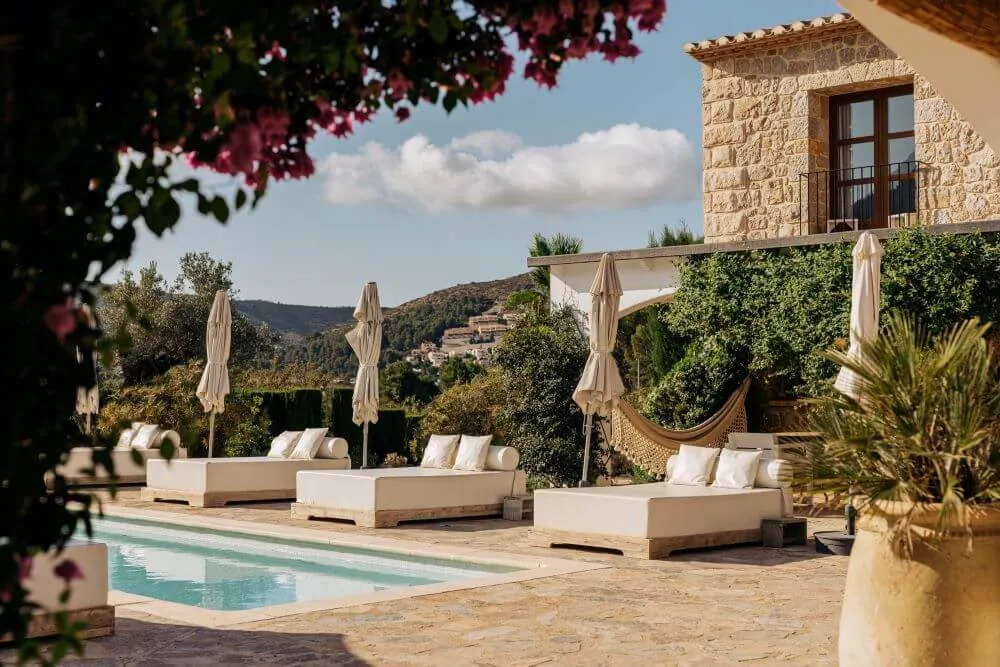
Oversimplification risks are significant when analyzing this market. For example, many consumers categorize resorts by price point alone, ignoring the “Operational Density”—the ratio of expert practitioners to guests. A resort may charge $2,500 per night but only offer access to generalists. Conversely, a more modestly priced facility in a remote location might provide access to world-renowned specialists in neuro-linguistic programming or functional medicine. The “Luxury” in the American context is increasingly moving away from gold-leafed decor toward “Temporal Sovereignty”—the radical protection of the guest’s time and cognitive bandwidth.
Furthermore, we must account for the “Placebo of the Premium.” There is a psychological effect where the high cost of a resort can lead a participant to perceive greater benefits than are actually occurring. To navigate this, a sophisticated seeker must look for “Protocol Integrity.” Does the resort have a coherent philosophy backed by evidence, or is it merely a collection of trending modalities—such as cold plunges and sound baths—assembled for their marketability? The American landscape is currently divided between these “vibe-led” facilities and true “intervention-led” sanctuaries.
Historical and Systemic Evolution of the American Sanctuary
The American lineage of wellness resorts can be traced from the mineral springs of the 19th century, such as Saratoga Springs or Hot Springs, Arkansas, which served as the nascent infrastructure for preventative health. These were the “Sanatoriums” of their day, focusing on the physical properties of water and air. Following the post-war boom, the 1950s and 60s introduced the “Health Farm” era, which focused on weight loss and aesthetic refinement through caloric restriction and basic movement.
In the 1980s, the emergence of destination spas like Canyon Ranch marked the first major pivot toward “Integrative Wellness,” bringing together physicians, nutritionists, and exercise physiologists under one roof. This period codified the “American Wellness Model”: a blend of high-end hospitality and clinical rigor. As we entered the 2020s, the focus shifted again toward “Longevity and Bio-optimization.”
Today, the systemic evolution of luxury wellness resorts in America is characterized by the integration of data. We have moved from subjective feelings of “wellness” to objective measurements of Heart Rate Variability (HRV), sleep architecture, and cortisol slopes. The resort is no longer a place to hide from one’s health; it is a high-tech lab where health is decoded and optimized.
Conceptual Frameworks for Evaluating Premium Wellness
1. The “Signal-to-Noise” Metabolic Framework
This model posits that a resort’s primary value lies in its ability to eliminate environmental “noise”—light pollution, endocrine disruptors in food, and digital fragmentation—while amplifying high-fidelity “signals”—nutrient density, circadian-aligned light, and deep silence.
-
Constraint: This framework is less effective for “Social Wellness” resorts where the goal is communal connection rather than sensory deprivation.
2. The “Hormetic Stress” Threshold
A sophisticated wellness program understands that comfort is the enemy of growth. This model evaluates a resort based on its ability to apply “controlled stressors” (heat, cold, fasting, high-intensity exertion) that trigger cellular repair mechanisms.
-
Limit: Over-application of hormetic stress can be dangerous for individuals already in a state of clinical burnout.
3. The “Biophilic Synchronization” Model
This framework ranks resorts based on their “Ecological Integration.” It assumes that human physiology is optimized when it is synchronized with local natural cycles.
-
Factor: Does the resort utilize native plants, local seasonal nutrition, and architecture that encourages “Panoramic Vision” (a known trigger for the parasympathetic nervous system)?
Taxonomy of Regional and Functional Variations
When evaluating luxury wellness resorts in America, the geographical “biotope” dictates the primary physiological mechanism of the stay.
| Category | Typical Location | Primary Mechanism | Best For |
| High Desert Sanctuary | Sedona, AZ / Utah | Awe-induction; Sensory deprivation | Cognitive fatigue; Perspective shifts |
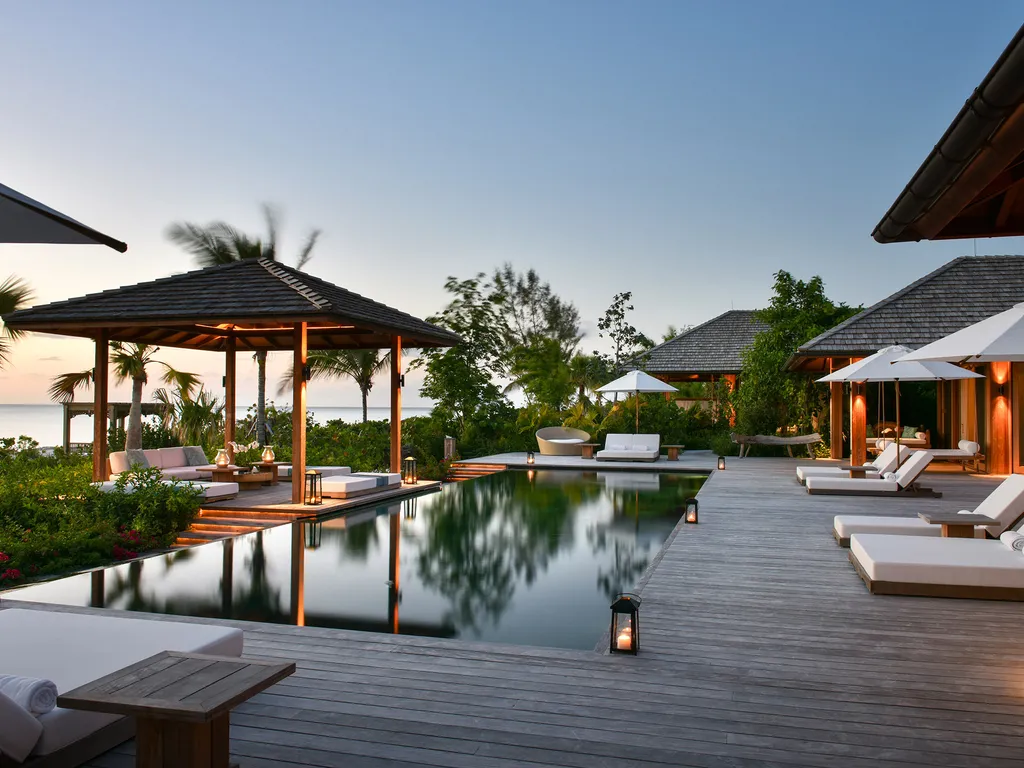
| Coastal Restorative | California / Florida | Negative ion exposure; Blue-mind theory | Respiratory health; Stress down-regulation |
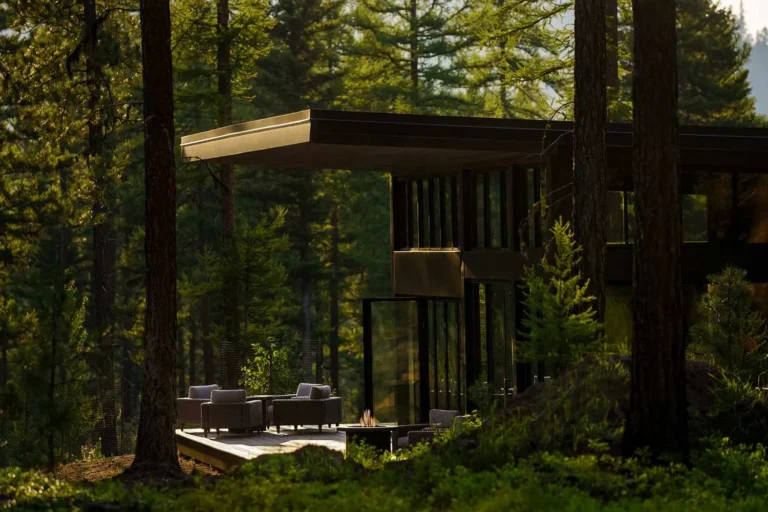
| Forest/Montane | Colorado / Berkshires | Phytoncide exposure; High-altitude training | Immune modulation; Metabolic grit |
| Medical/Longevity | Urban Hubs / CA | Epigenetic testing; IV Therapy | Chronic illness; Peak performance |
| Contemplative/Monastic | Upstate NY / Oregon | Silence; Meditation; Digital detox | Decision fatigue; Spiritual crisis |
| Active Adventure | Montana / Wyoming | Endorphin release; Skill mastery | Depression; Lethargy; Physical stagnation |
Decision Logic: The “Biological Need” Audit
The selection of a resort should follow the “Antagonistic Principle”: Choose an environment that is the opposite of your daily operational context. If you work in a high-density urban office, a High Desert Sanctuary is more efficacious than a Medical/Longevity clinic in a city hotel.
Detailed Real-World Scenarios and Decision Logic
Scenario 1: The “Exhausted Executive” (Sympathetic Dominance)
-
Situation: Chronic high-cortisol, fragmented sleep, inability to disconnect.
-
The Choice: A high-tech longevity clinic versus a “Quiet” nature retreat.
-
Logic: The longevity clinic might provide data, but the “Nature” retreat (e.g., a forest immersion in the Catskills) provides the sensory “down-regulation” required to actually lower the baseline stress. Data can sometimes be a new stressor for the hyper-analytical mind.
Scenario 2: The “Life-Stage Transition” (Grief or Career Change)
-
Situation: Loss of identity or direction; emotional “stuckness.”
-
The Choice: A luxury spa resort versus an “Awe-heavy” Southwestern retreat.
-
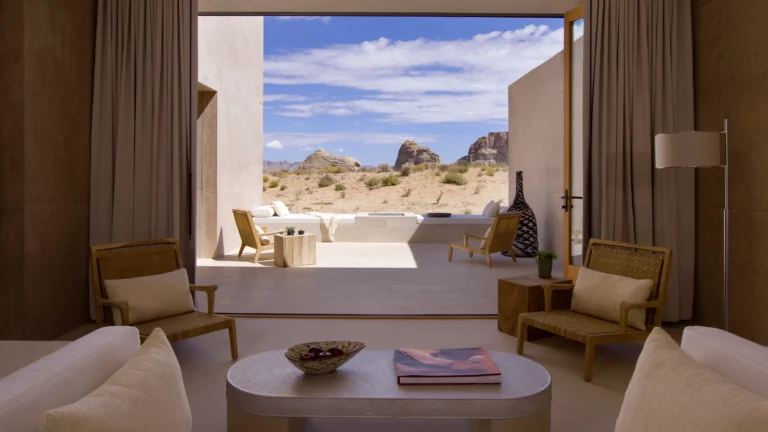
Logic: Choose the Awe-heavy environment (e.g., Amangiri or similar). The vastness of the landscape triggers the “Small Self” theory—a psychological state where personal problems are re-contextualized against the scale of the earth, facilitating emotional release.
Scenario 3: The “Metabolic Reset” (Physical Decline)
-
Situation: Weight gain, poor glucose control, low energy.
-
The Choice: A “Farm-to-Table” wellness resort.
-
Logic: Ensure the resort offers “Metabolic Flexibility” training—teaching the body to switch between burning carbs and fats—rather than just calorie restriction.
Economic Dynamics: Pricing, Value, and Opportunity Costs
The “All-Inclusive” sticker price of luxury wellness resorts in America is often the most misunderstood metric in the industry.
| Price Tier | Cost / Night (USD) | Primary Value Driver | Hidden Costs |
| Ultra-Premium | $2,500 – $5,000 | 1:1 Expert density; Radical privacy | Tips: Off-site excursions |
| Premium | $1,200 – $2,400 | Diverse programming; High-end F&B | Spa up-charges ($300+) |
| Boutique/Niche | $600 – $1,100 | Specific modality (e.g., Yoga) | Travel logistics; Alcohol |
Opportunity Cost Analysis: A 3-day stay at a $3,000/night resort that successfully prevents executive burnout is significantly “cheaper” than a 10-day $500/night vacation that fails to regulate the nervous system, potentially leading to medical leave or poor business decisions. The “Value” is the duration of the “Post-Retreat Dividend”—how many months the feeling of resilience lasts after return.
Support Systems, Diagnostic Tools, and Strategies
To maximize the yield of a stay at one of the top luxury wellness resorts in America, one should look for these advanced “Support Systems”:
-
Sleep Architecture Labs: Beyond just “quiet rooms,” look for resorts that use sound masking, cooling mattresses (e.g., Eight Sleep), and circadian-synced lighting (Circadian Sky).
-
Continuous Glucose Monitoring (CGM): Some resorts now provide CGMs for the duration of the stay to map how the specific resort menu affects your blood sugar in real-time.
-
Neurofeedback & Biofeedback: Tools like Muse or OpenFocus to train the brain to enter Alpha or Theta states at will.
-
Somatic Experiencing: Access to trauma-informed practitioners who can help “discharge” stored physical tension that massage alone cannot reach.
-
Genetic/Blood Analysis: Pre-arrival blood draws so that the nutritional program is ready upon arrival.
-
Vagal Nerve Stimulation (VNS): High-tech tools (like Sensate or Neuvana) to manually trigger the “Relaxation Response.”
-
Integration Coaching: The most critical tool—access to a coach who helps translate the resort experience into a sustainable home routine.
Risk Landscape: Identifying Compromised Quality
The wellness industry suffers from “Spirituality-Washing” and “Bio-hacking Hyperbole.”
-
The “Amenity Trap”: A resort with 20 different types of saunas but no clear protocol on how to use them for health.
-
The “Generalist” Risk: A facility where the “Wellness Director” has no clinical background, leading to “trending” but potentially contradictory advice.
-
Compounding Risk: The “Detox Crisis”—resorts that push radical changes in diet or temperature without medical supervision, leading to systemic inflammation or “healing crises” that are actually just biological distress.
-
Social “Vibe” Overload: Some “wellness” resorts are essentially party scenes for the wealthy. If there is a high focus on evening cocktails and social posturing, the cortisol-lowering benefits are likely negated.
Governance, Long-Term Adaptation, and Maintenance
A visit to a luxury resort is a “Systemic Shock.” Without governance, the body will naturally return to its previous set point within 14 days.
-
The 72-Hour “Buffer”: Schedule 3 days of minimal work upon returning from a retreat. Re-entry shock is the primary killer of wellness gains.
-
Maintenance Triggers: Define a “Red Line” (e.g., HRV dropping a certain level below) that triggers a “Micro-Retreat” at home.
-
The “Environment Audit”: Taking one element of the resort environment (e.g., 10:00 PM digital sunset) and making it a permanent governance rule at home.
-
Quarterly Review: Re-testing the biomarkers (blood, sleep) every 90 days to see if the “Resort Dividend” is holding or if a “Booster” stay is required.
Measurement, Tracking, and Evaluation of Success
How do you objectively evaluate if Luxury Wellness Resorts America delivered on its promise?
-
Leading Indicator: HRV (Heart Rate Variability). If your HRV increases by 15-20% during the stay and maintains that elevation for two weeks post-return, the intervention was successful.
-
Lagging Indicator: “The Reaction Gap.” A qualitative measure of how much time passes between a stressor (a rude email) and your emotional reaction. A larger gap indicates better vagal tone.
-
Quantitative Signal: Cortisol Slopes. Measuring saliva cortisol in the morning vs. evening. A healthy “steep” slope (high morning, low evening) is a sign of a regulated HPA axis.
-
Documentation Example:
-
Week 0 (Pre-Resort): Sleep Efficiency 78%, HRV 45ms, Irritability High.
-
Week 1 (Post-Resort): Sleep Efficiency 92%, HRV 62ms, Irritability Low.
-
Week 12 (Maintenance): Sleep Efficiency 88%, HRV 58ms, Irritability Moderate.
-
Common Misconceptions and Oversimplifications
-
Myth: “I need to go for at least two weeks for it to work.”
-
Correction: Research suggests that a highly intensive 3-day “Pulse” can be as effective as a 10-day stay if the “Signal-to-Noise” ratio is high enough.
-
Myth: “The food is just about weight loss.”
-
Correction: In high-end wellness, the food is about “Neuro-nutrition”—supporting the gut-brain axis to improve mood and cognitive clarity.
-
Myth: “Wellness is a woman’s market.”
-
Correction: The fastest-growing segment in luxury wellness resorts in America is the “High-Performance Male,” focusing on testosterone optimization and cognitive longevity.
-
Myth: “You can’t have a drink at a wellness resort.”
-
Correction: Modern resorts emphasize “Conscious Consumption” and metabolic flexibility rather than dogmatic abstinence.
Ethical, Practical, or Contextual Considerations
The expansion of the luxury wellness sector raises questions about “Environmental Footprint” and “Cultural Extraction.” Many resorts in the American Southwest utilize indigenous land and practices (like sweat lodges). Ethical seekers should investigate whether the resort has a reciprocal relationship with local communities and if their “Bio-hacking” tech is balanced with environmental stewardship.
Conclusion
The pursuit of well-being through the lens of luxury wellness resorts in America is ultimately a pursuit of human sovereignty. By applying a rigorous, analytical framework to the selection and maintenance of these experiences, the individual ensures that they are not just “taking a break,” but are strategically investing in a more resilient, vital, and present version of themselves.