Luxury Spa Retreats USA: A Definitive Guide to 2026 High-Tier Wellness
The pursuit of restorative excellence in the United States has transitioned from a niche luxury to a systemic necessity for the high-performing individual. In 2026, the term “luxury” as applied to the spa environment has shed its association with mere ornamentation. It has evolved into a measure of clinical efficacy, environmental exclusivity, and psychological safety. A true flagship immersion is no longer defined by the gold-leaf detailing of a treatment room, but by the facility’s ability to facilitate a profound state of “biological surrender”—a condition where the guest’s autonomic nervous system is successfully decoupled from the chronic hyper-arousal of modern life.
This evolution mirrors a broader cultural pivot toward “longevity as the ultimate status symbol.” The contemporary seeker does not merely want to relax; they want to recalibrate. Consequently, the leading domestic facilities have integrated advanced neuroscience, metabolic diagnostics, and biophilic design into their foundational protocols. This shift from “pampering” to “performance restoration” represents a maturation of the industry, moving away from a transactional model of beauty toward a transformative model of systemic health.
However, as the market for high-tier wellness expands, so does the risk of “aesthetic dilution.” The proliferation of mid-market hotels branding themselves as “wellness destinations” has created a landscape where the visual language of healing is often used to mask a lack of operational depth. Discerning the difference between a high-end vacation with a massage menu and a true restorative architecture requires a rigorous analytical framework. This inquiry serves as the definitive reference for navigating the highest echelons of the domestic landscape, focusing on the mechanics of systemic restoration.
Understanding “Luxury Spa Retreats USA”
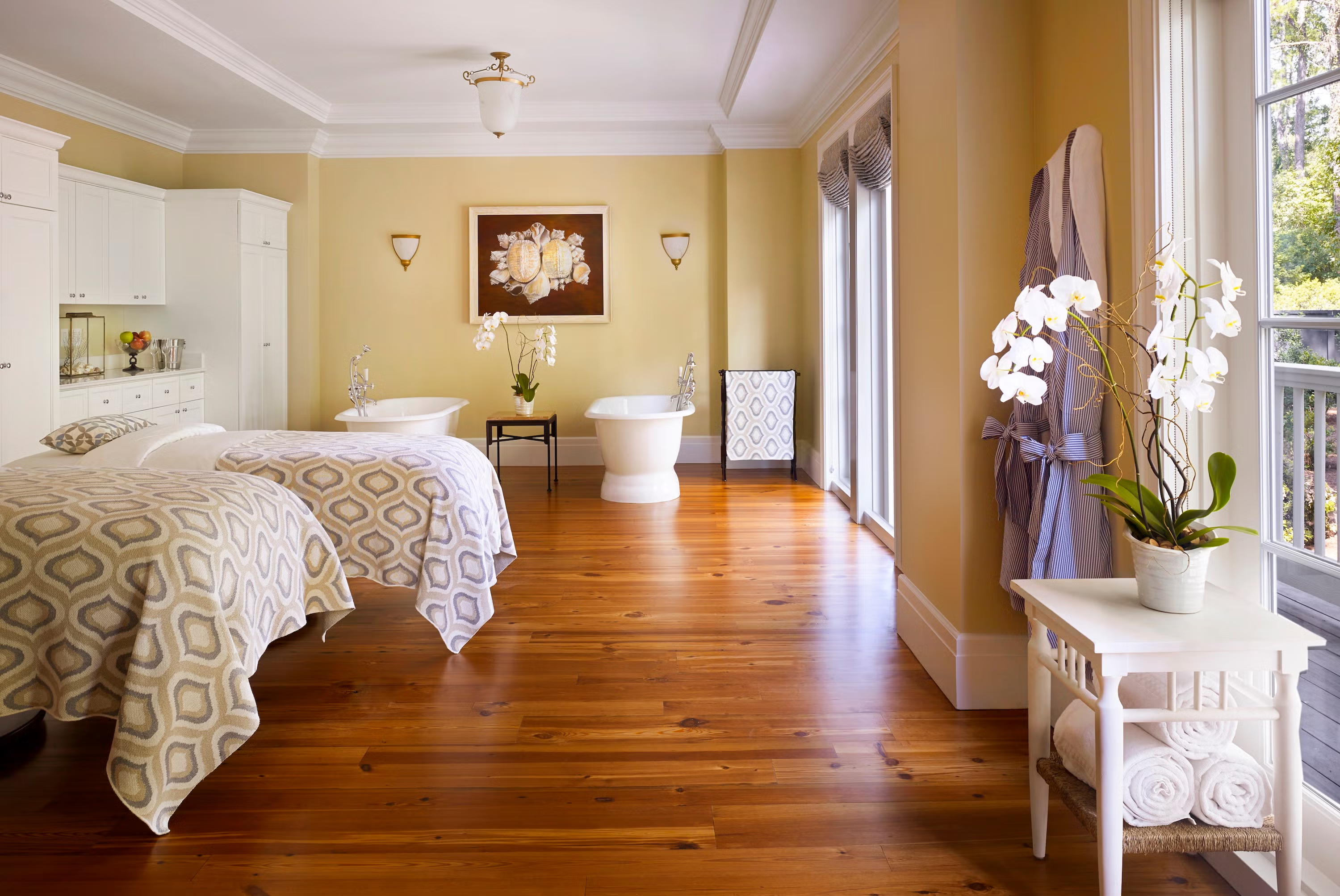
To define luxury spa retreats USA, one must look beyond the pricing tiers and focus on the density of expertise and environmental control. A luxury retreat is characterized by its “Total Environmental Governance.” Every variable—the light spectrum in the guest suites, the soundscape of the communal areas, the mineral composition of the water, and the nutrient density of the soil used for the produce—is intentionally managed to support the central thesis of the program.
A common misunderstanding among participants is the belief that luxury is synonymous with indulgence. In reality, the most effective high-tier retreats often employ a form of “Structured Austerity.” This might involve the removal of digital signals, the strict adherence to a circadian-aligned diet, or the requirement of physical exertion through thermal stress. The luxury lies in the expert facilitation of these constraints, ensuring the participant achieves a breakthrough without the cognitive load of self-management.
The risk of oversimplification is highest when evaluating “amenity density.” A facility may offer twenty different types of massages, but if it lacks a coherent medical or psychological framework to guide their application, it remains a leisure asset rather than a therapeutic one. The best facilities in the United States operate with a 1:4 staff-to-guest ratio or higher, ensuring that the “luxury” is manifested as individualized attention and the constant monitoring of physiological progress.
The Contextual Evolution: From Sanatoriums to Bio-Sanctuaries
The historical trajectory of American wellness is a story of shifting the burden of care from the institution to the individual, and now, back to the “curated system.” In the early 19th century, luxury was found in the mineral springs of Saratoga, where the elite sought a physical “cleansing” from the industrial pollution of the cities. By the mid-20th century, the “Golden Age of the Destination Spa” emerged, focusing on the aesthetic refinement of the body—weight loss and skincare—often through a lens of social exclusivity.
In 2026, we are witnessing the rise of the “Bio-Sanctuary.” This is a retreat that treats the guest as a biological system in need of optimization. This shift has been driven by the democratization of health data; when every guest arrives with a wearable device tracking their heart rate variability and blood glucose, the “luxury” must prove its impact on those metrics. As a result, the leading American retreats have become “Laboratories of Longevity,” where ancient modalities like Ayurveda and hydrotherapy are validated and amplified by 21st-century diagnostics.
Conceptual Frameworks: Mental Models for Restorative Selection
1. The “Nervous System Budget” Model
This framework views the individual’s capacity for stress as a finite budget. A luxury retreat’s primary function is to provide a “budgetary surplus.” If the retreat environment itself requires the guest to navigate complex social hierarchies or make frequent logistical decisions, it is failing this model.
-
Limit: This model prioritizes silence and seclusion over social wellness, which may not suit every psychological profile.
2. The Biophilic Convergence Framework
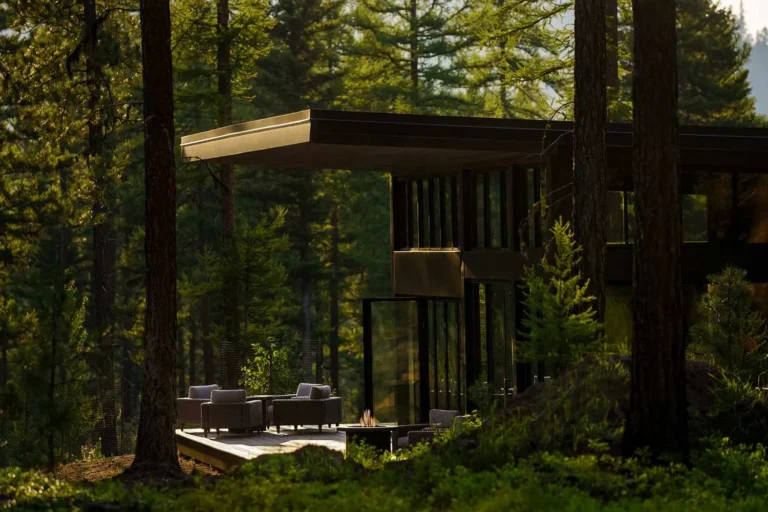
This model evaluates a retreat based on how effectively it dissolves the barrier between the human body and the natural environment. The highest tier of luxury in the US currently utilizes “Wilderness Immersion” (e.g., Amangiri or Castle Hot Springs), arguing that the most expensive technology is the silence and unfiltered photons found in remote, ecologically intact landscapes.
3. The “Expert-to-Protocol” Ratio
Luxury is determined by the degree of customization. This framework asks: Is the guest being fit into a pre-existing schedule, or is the schedule being built around the guest’s baseline diagnostics? The “best” retreats in the US perform a pre-arrival “Needs Assessment” involving metabolic and psychological profiling.
Key Categories of High-Tier Interventions
The domestic market is now segmented into distinct operational philosophies. Each offers a specific trade-off between clinical intensity and sensory indulgence.
| Category | Primary Mechanism | Best for… | Trade-off |
| The Longevity Clinic | Diagnostics & Biohacking | Biological optimization | Can feel sterile; highly structured |
| The Desert Sequestration | Thermal stress & Silence | Deep mental reset | Harsh environments; isolation |
| The Metabolic Intensive | Caloric restriction & Movement | Rapid physiological shift | High physical discomfort; rigid |
| The Coastal Blue-Space | Negative ions & Hydrotherapy | Anxiety down-regulation | High leisure friction; humidity |
| The Spiritual/Vedic | Energy work & Ancient rituals | Emotional/Soul recalibration | Requires openness to metaphysicality |
Decision Logic: The “Signal vs. Noise” Filter
When choosing between luxury spa retreats USA, the decision should be based on the “Noise” you are trying to eliminate. If your stress is cognitive, prioritize a “Silent Monastic” luxury model. If your stress is metabolic, prioritize a “Medical Longevity” model.
Detailed Real-World Scenarios and Decision Logic
Scenario 1: The High-Beta Burnout
-
The Profile: A CEO suffering from chronic sympathetic arousal (high blood pressure, poor sleep).
-
The Error: Booking a high-intensity “adventure” wellness retreat that rewards competition.
-
The Pivot: Selecting a “Digital Detox” focused facility like The Ranch Malibu or a hydro-focused retreat like Lake Austin Spa Resort.
-
Second-Order Effect: The sudden removal of the “dopamine loops” of work can lead to a 48-hour period of intense irritability, which the facility must be staffed to manage.
Scenario 2: The Longevity Seeker
-
The Profile: An individual in their 50s focused on extending their “health-span.”
-
The Choice: Canyon Ranch (Tucson or Lenox).
-
Decision Point: Choosing the “Executive Health” track, which includes full-body bone density scans and epigenetic age testing.
-
Failure Mode: Receiving highly technical data without a clear “integration plan” for when the guest returns home.
Economic and Resource Dynamics: The Anatomy of Premium Costs
Operating a top-tier luxury retreat requires a massive capital outlay. Understanding where this money goes explains why these experiences are priced as “investments.”
Operational Cost Breakdown (2026 Projections)
-
Master Practitioners (40%): Hiring PhD-level physiologists, expert nutritionists, and world-class therapists is the primary cost driver.
-
Fixed Facility Overhead (25%): Maintaining “Zero-EMF” environments, high-filtration water systems, and 600+ acres of private nature is capital-intensive.
-
Nutritional Sourcing (15%): Moving beyond “organic” to “regenerative” or “biodynamic” sourcing often requires the retreat to maintain its own farms.
| Cost Variable | Luxury Boutique | Destination Resort | Medical Wellness |
| Avg. Nightly Rate | $1,200 – $2,500 | $800 – $1,500 | $3,000 – $6,000 |
| Guest-to-Staff Ratio | 1:1 or 1:2 | 1:3 or 1:4 | 1:5+ (specialists) |
| Primary Value | Exclusivity/Silence | Variety of Modalities | Clinical Outcomes |
Support Systems, Tools, and Risk Mitigation
-
The Pre-Arrival Taper: Leading retreats provide a “7-Day Digital & Chemical Taper” guide. Failure to follow this leads to the “Day 3 Crash” (caffeine withdrawal or sugar shock).
-
Wearable Integration: Top facilities now “ingest” the guest’s wearable data (Oura, Whoop, Garmin) three months before arrival to establish a true baseline.
-
The Post-Immersion Liaison: A luxury service that provides a dedicated coach for 30 days post-retreat to ensure the “re-entry” doesn’t dissolve the gains.
-
HSA/FSA Alignment: Many clinical retreats now provide the necessary documentation to justify the expense as a medical necessity for chronic stress management.
The Risk Landscape: Identifying Quality Degradation
Cutting-edge wellness is susceptible to a specific set of “compounding risks”:
-
The “Wellness-Washing” Trap: A facility that claims “detox” but has no specialized liver/kidney support or uses low-quality oils in its food.
-
The Social Burden: Group retreats that inadvertently become networking events. For the high-level professional, this is “covert work” and prevents neural recovery.
-
Inadequate Safety Valves: High-intensity modalities (like 20-minute sauna sessions followed by ice plunges) carry cardiovascular risks. If a facility doesn’t have an AED and medical staff on-site, it is not a luxury retreat; it is a liability.
Governance, Maintenance, and Long-Term Adaptation
The value of luxury spa retreats USA is not what happens during the stay, but what persists six months later. This requires a “Governance Plan” for the self.
The Reintegration Checklist:
-
The 48-Hour Buffer: Never return to work on a Monday. Schedule a “buffer day” at home to integrate the dietary and sleep shifts.
-
The Sensory Anchor: Using a specific scent or soundscape from the retreat to trigger the parasympathetic state during high-stress work calls.
-
Quarterly “Mini-Retreats”: Planning 24-hour sequestration blocks at home to prevent the “erosion of state.”
Measurement, Tracking, and Evaluation of Success
Evaluation must be bifurcated into qualitative and quantitative signals.
-
Quantitative (Leading): HRV (Heart Rate Variability). If the HRV “floor” has risen by 10% during the stay, the biological intervention was successful.
-
Qualitative (Lagging): The “Irritability Threshold.” How many minutes pass during a stressful meeting before the “fight or flight” response is triggered?
-
Documentation: Keep a “Protocol Diary”—not a journal of feelings, but a record of which specific modalities (e.g., infrared heat vs. cold water) yielded the best sleep metrics.
Common Misconceptions and Oversimplifications
-
Myth: “I can do this at a local day spa.”
-
Correction: A day spa is a “relief” mechanism; a retreat is a “reset” mechanism. Relief is temporary; a reset requires the 24/7 environmental control that only a retreat provides.
-
Myth: “More treatments = more wellness.”
-
Correction: Excessive treatment schedules lead to “Intervention Fatigue.” The best retreats often prescribe less activity to allow for more integration.
-
Myth: “Vegan food is the only way to detox.”
-
Correction: Modern metabolic retreats utilize “Bio-Individual Nutrition,” which might include high-quality animal proteins if the guest’s blood work shows specific deficiencies.
Conclusion
The definitive landscape of luxury spa retreats usa is moving toward a synthesis of the monastic and the medical. As we navigate 2026, the standard for excellence is set by those facilities that can bridge the gap between ancient restorative wisdom and the rigorous demands of modern human biology. Choosing the right immersion is an act of strategic self-preservation. It requires the participant to look past the surface-level aesthetics and demand a protocol that is as disciplined as their professional life, yet as nourishing as the natural world they seek to rejoin. The ultimate luxury is no longer being served; it is being restored.