Compare Luxury Spa Retreats: A Comprehensive Guide to Elite Wellness
The luxury spa industry has undergone a radical transformation, moving from a secondary hotel amenity to a primary driver of high-net-worth travel. In the modern context, “luxury” is no longer defined merely by marble finishes or the presence of premium skincare brands; it is increasingly measured by the depth of scientific integration, the exclusivity of access, and the sophistication of the personalized outcome. As chronic stress and metabolic dysfunction become pervasive in professional life, the demand for structured environments that can facilitate profound physiological resets has surged.
This shift has created a complex market where traditional European medical spas, ultra-modern biohacking centers, and Eastern-inspired holistic sanctuaries compete for the same discerning demographic. However, the lack of standardized nomenclature makes navigating this landscape difficult. One facility’s “wellness program” might be another’s “leisure package,” leading to significant discrepancies between expectations and the actual biological impact. To effectively navigate this sector, one must move beyond aesthetic appeal and examine the underlying operational philosophies and clinical rigor of these institutions.
Understanding how to evaluate these offerings requires an analytical lens that considers the “whole-person” impact. We are seeing a convergence where the lines between a clinical hospital and a five-star resort are blurring. This hybridization offers unprecedented opportunities for health optimization, yet it also necessitates a more rigorous framework for selection. The following inquiry provides a comprehensive architectural map of the industry, designed to assist in the high-level assessment of the world’s most sophisticated restorative assets.
Understanding “Compare Luxury Spa Retreats”
To compare luxury spa retreats effectively, one must first dismantle the assumption that luxury is a synonym for efficacy. In the current market, “luxury” is often used as a marketing veneer to justify high price points, regardless of whether the facility possesses the medical staff or the proprietary protocols required to effect genuine change. A sophisticated comparison must therefore prioritize the capability of the facility over its ambiance.
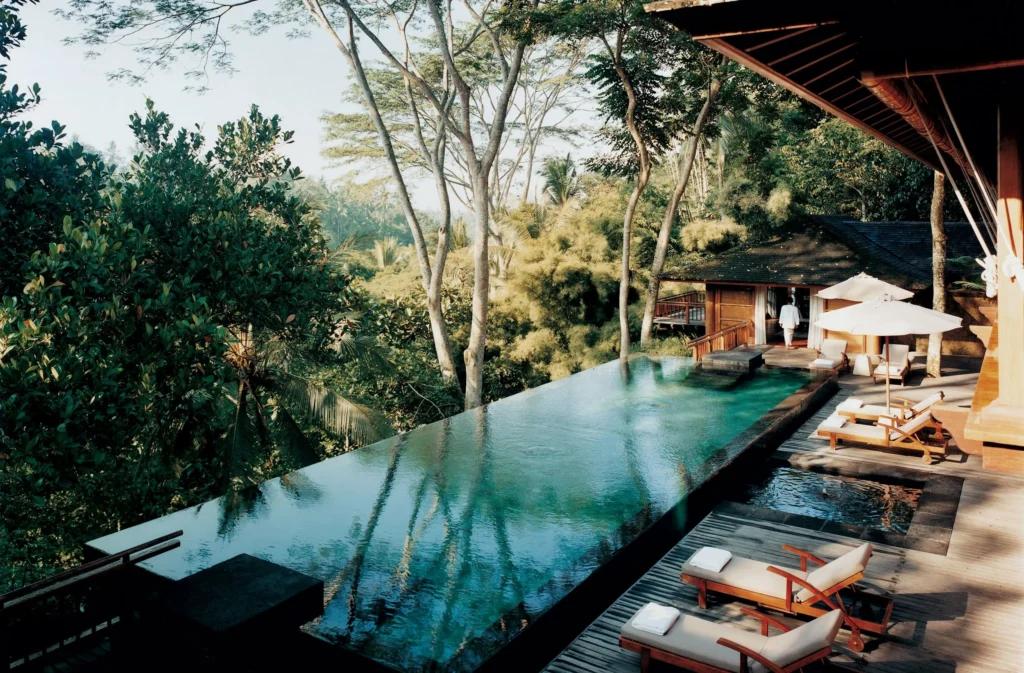
When we attempt to compare luxury spa retreats, we are essentially performing a cross-analysis of three distinct variables: the level of medical oversight, the intensity of the intervention, and the environmental “buffer.” Some programs are designed to be “unbuffered,” meaning they prioritize results (such as extreme weight loss or detoxification) over immediate comfort. Others provide a high degree of “buffering,” where the health interventions are woven seamlessly into a lifestyle of ease.
The risk of an oversimplified comparison is high. Comparing a destination spa in Arizona to a medical clinic in the Swiss Alps based solely on room rates is fundamentally flawed. They serve different masters—one focuses on psychological decompression and lifestyle education, while the other addresses cellular regeneration and chronic pathology. A meaningful comparison requires a clear-eyed assessment of the participant’s “health debt” and whether a specific facility has the “currency” (in terms of expertise and technology) to pay it down.
Historical and Philosophical Foundations
The modern luxury spa is a descendant of two very different lineages: the European Sanatorium and the Asian Ayurvedic or Zen tradition. The European model, which reached its zenith in the late 19th century, was rooted in “taking the waters.” These were highly structured, almost militaristic environments where mineral bathing, strict dietary control, and physician-led regimens were the norm. This tradition evolved into the modern Medical Spa (Medi-Spa) prevalent in Germany, Austria, and Switzerland.
Conversely, the Eastern lineage emphasizes the flow of energy (Prana or Qi) and the integration of mind, body, and spirit. This tradition prioritizes manual therapies, herbal pharmacology, and internal meditative work. In the late 20th century, these two lineages began to cross-pollinate. The “Destination Spa” emerged as a result, combining the luxury of a resort with the programmatic intensity of a health clinic. Today, the most advanced institutions further layer on the “Biohacking” philosophy, which views the human body as a biological system that can be optimized through technological inputs such as hyperbaric oxygen therapy, red light exposure, and genetic analysis.
Conceptual Frameworks for Evaluation
1. The Clinical-to-Leisure Spectrum
This model places facilities on a horizontal axis based on their primary intent. At the 100% Clinical end, the facility resembles a luxury hospital. At the 100% Leisure end, it is a resort with a nice massage menu. The “sweet spot” for most luxury travelers lies between 60% and 80% clinical—enough to see results, but enough leisure to feel like a retreat.
2. The Bio-Acoustic and Sensory Environment
This framework evaluates a retreat based on its ability to control external stressors. Luxury is the ability to eliminate noise, artificial light, and digital signals. The most sophisticated retreats “curate” the sensory experience to lower cortisol levels automatically upon entry.
-
Limits: Excessive sensory deprivation can lead to restlessness for high-functioning, “type A” personalities who are not accustomed to stillness.
3. The Regenerative vs. Maintenance Model
A maintenance retreat is designed to keep you at your current level of health, providing a “tune-up.” A regenerative retreat aims to move your baseline health markers (e.g., biological age, inflammatory markers) to a better state.
-
Limits: Regenerative work often requires longer stays (14+ days) and can involve temporary physical discomfort or “healing crises.”
Taxonomy of Retreat Categories
When we compare luxury spa retreats, we can group them into five primary functional categories. Each has a specific “mechanic” for improvement.
| Category | Core Mechanism | Key Technology/Treatments | Typical Trade-off |
| Advanced Medical | Diagnostics & Clinical Intervention | Stem Cells, IV Therapy, Blood Dialysis | Clinical atmosphere; restricted freedom |
| Traditional Holistic | Constitutional Balancing | Panchakarma, Acupuncture, TCM | Can feel “unscientific” to Westerners |
| Eco-Immersive | Nature-Based Regulation | Forest Bathing, Thalassotherapy | Dependent on weather/local environment |
| Performance/Biohacking | Tech-Led Optimization | Cryotherapy, PEMF, Hypoxic Training | High-energy; less focus on “relaxation.” |
| Detox/Weight Management | Caloric & Toxic Cleansing | Colonics, Juicing, Specialized Diets | Potential for low energy during stay |
Decision Logic: The Matching Principle
The most common failure in selecting a retreat is a mismatch of “energy.” A person suffering from adrenal exhaustion should avoid a high-tech “Performance” retreat, even if it is highly rated. They require an “Eco-Immersive” or “Traditional Holistic” environment that emphasizes stillness over stimulation.
Strategic Scenarios and Second-Order Effects
Scenario A: The Executive “System Reset”
-
The Goal: Reduce systemic inflammation and brain fog after a merger or acquisition.
-
The Path: A Medical Spa specializing in gut health and detoxification (e.g., Mayr Method).
-
Second-Order Effect: The sudden withdrawal of caffeine, alcohol, and refined sugar often leads to an “acute withdrawal” phase on days 3 and 4, which must be managed by professional staff to prevent the participant from leaving early.
Scenario B: The Post-Partum or Life-Transition Recovery
-
The Goal: Emotional stabilization and hormonal rebalancing.
-
The Path: A Traditional Holistic retreat with a strong emphasis on psychological support and “soft” therapies.
-
Failure Mode: If the facility is too focused on the physical (massages and facials) and lacks an emotional/psychological component, the relief will be superficial and short-lived.
Economic Architecture: Valuation and Costs
The pricing of high-end retreats is opaque. To truly compare luxury spa retreats, one must look at the inclusion density.
| Cost Tier | Entry (USD/Day) | Typical Inclusions | Value Driver |
| High-Luxury | $800 – $1,500 | Room, Board, 1 Treatment/Day | Aesthetic & Service Excellence |
| Ultra-Luxury | $1,500 – $3,000 | Programmed meals, 2+ Treatments, Basic Labs | Specialized Facilities & Expertise |
| Elite Medical | $3,500 – $10,000+ | Full Medical Diagnostics, Personalized MD | Clinical Outcomes & Proprietary Tech |
The “hidden” cost of these retreats is often the opportunity cost of time. A 10-day stay in a remote location requires 12–14 days of total time. If the results are not durable, this represents a significant loss of “personal equity.”
Risk Landscape: Quality Degradation
As the sector grows, several “failure modes” have emerged:
-
The “Spa-ification” of Medicine: Clinical centers that offer “lite” versions of treatments that aren’t actually therapeutic doses.
-
Staffing Dilution: Facilities that have the right equipment but lack the senior medical or therapeutic talent to interpret the data correctly.
-
The Aesthetic Trap: Investing heavily in “Instagrammable” infinity pools while neglecting the quality of the therapeutic water or the sourcing of the food.
Measurement and Long-Term Evaluation
A luxury retreat should be treated as a capital investment in one’s health. Therefore, it requires “auditing.”
-
Leading Indicators: Changes in Heart Rate Variability (HRV) during the stay; improved sleep latency; subjective vitality scores.
-
Lagging Indicators: Sustained weight loss 6 months post-stay; reduced dependency on medication (under MD supervision); improved annual blood panels.
Documentation Strategies
Practitioners should keep a “Retreat Journal” that tracks not just what they did, but how their body responded to specific inputs. For example: “Day 5: Infrared sauna followed by magnesium bath resulted in 2 hours of REM sleep—higher than my baseline.”
Common Misconceptions
-
Myth: “All-inclusive” means all treatments are included.
-
Correction: Most elite retreats include a “base” of treatments; specialized medical procedures or high-tech biohacking are almost always extra.
-
Myth: You can achieve the same results at a local day spa.
-
Correction: The “containment” of the retreat environment—controlling diet, sleep, and social interaction—is 50% of the therapeutic benefit.
Conclusion
The ability to compare luxury spa retreats effectively is a hallmark of the sophisticated modern traveler. It represents a shift from passive consumption to active health management. By viewing these retreats as structured biological interventions rather than mere escapes, individuals can align their financial and time investments with their specific physiological needs. The ultimate luxury is not found in the gold leaf on the ceiling, but in the clarity of mind and the resilience of body that remains long after the tan has faded. As the industry continues to evolve toward “Precision Wellness,” the burden of discernment falls on the participant to choose the laboratory that will best facilitate their personal evolution.