Best Wellness Retreats for Seniors: The 2026 Longevity Strategy Guide
As we navigate the complexities of 2026, the concept of “retirement” has been systematically replaced by the “Longevity Era.” For the modern senior, wellness is no longer a passive pursuit of comfort, but an active, data-driven strategy to extend both healthspan and lifespan. The emergence of the best wellness retreats for seniors represents a critical shift from traditional “pampering” toward integrative medical protocols that prioritize cognitive clarity, musculoskeletal integrity, and metabolic flexibility.
Choosing a retreat in this demographic requires an analytical framework that goes beyond scenic vistas. It necessitates a deep audit of a facility’s ability to handle the specific physiological nuances of the aging body—from sarcopenia management to the stabilization of the circadian rhythm. As global healthcare models pivot toward prevention, these retreats have become essential “reset” points where clinical precision meets restorative environments, allowing individuals to calibrate their personal aging trajectory with surgical accuracy.
This article provides an editorial deep dive into the structural variations of senior-focused wellness programs. We explore the transition from the “sanatorium” model of the 20th century to the high-tech bio-optimization centers of today. By examining the trade-offs between medicalized longevity clinics and holistic nature-based immersions, we offer a definitive reference for those who view aging not as a decline, but as a period of refined biological maintenance.
Understanding “Best Wellness Retreats for Seniors”
To accurately best wellness retreats for seniors, one must first distinguish between “leisure travel” and “functional intervention.” A common misunderstanding is that any high-end spa with a gentle yoga class qualifies as a top-tier senior retreat. In reality, the most effective programs are defined by their “Protocol Density”—the specific, evidence-based activities and treatments designed to address age-related biological markers.
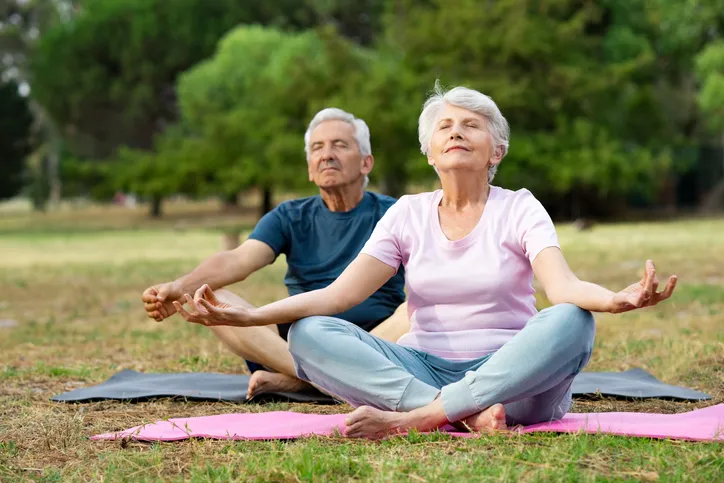
Oversimplification in this sector often ignores the “Biological Variance” of the 60+ population. A 65-year-old marathon runner and an 80-year-old recovering from hip surgery require vastly different architectural and medical support. Therefore, a “best” retreat is not the one with the most amenities, but the one with the highest degree of “Adaptive Programming.” This refers to the facility’s capability to modify every variable—from the caloric density of meals to the intensity of hydrotherapy—based on daily biometric feedback.
Furthermore, the comparison must account for the “Social-Cognitive Axis.” Loneliness and cognitive stagnation are as detrimental to senior health as physical sedentary behavior. The premier options in 2026 integrate “Social Scaffolding”—structured peer interactions and cognitive training—into their core curriculum. A retreat that ignores the psychological and social dimensions of aging is essentially providing an incomplete biological signal.
The Evolution of Senior Care: From Sanatorium to Longevity Hub
Historically, “wellness” for the elderly was synonymous with the European sanatorium—a place of quietude, mineral baths, and passive recovery. While these elements remain valuable, the modern landscape has undergone a radical systemic shift:
-
The Passive Era (1950–1990): Focused on “Respite Care.” Retreats were largely stationary, emphasizing rest and basic dietary improvements to manage chronic conditions.
-
The Active Aging Era (1990–2015): The introduction of “Wellness Tourism.” Programs began to incorporate gentle fitness, such as water aerobics and Tai Chi, moving away from pure passivity toward movement.
-
The Longevity Optimization Era (2015–Present): The rise of “Functional Longevity.” Today’s retreats utilize AI-driven diagnostics, genetic testing, and mitochondrial therapies (like NAD+ infusions and hyperbaric oxygen) to proactively reverse markers of biological age.
This evolution reflects a broader societal shift: we are no longer content with “aging gracefully” in silence; we are utilizing technology and refined ancestral wisdom to “age aggressively”—reclaiming the vitality of our younger decades.
Conceptual Frameworks for Evaluating Senior-Specific Efficacy
1. The “Sarcopenia Counter-Measure” Model
Sarcopenia (muscle wasting) is the primary driver of frailty. High-quality retreats are evaluated on their “Resistance Architecture.”
-
Mechanism: Programs must prioritize high-protein nutrition paired with low-impact, high-intensity resistance training (such as BFR—Blood Flow Restriction training).
-
Limit: Programs that only offer “stretching” fail this framework as they do not address the foundational loss of lean tissue.
2. The “Nervous System Regulation” Framework
Aging often correlates with a “stiffening” of the autonomic nervous system, leading to lower Heart Rate Variability (HRV).
-
Application: Does the retreat utilize contrast therapy (sauna/cold plunge) and sophisticated breathwork to “tone” the Vagus nerve?
-
Factor: The presence of daily HRV monitoring to ensure the “hormetic stress” of the treatments isn’t overwhelming the participant.
3. The “Cognitive Reserve” Model
This model ranks retreats by their “Neuroplastic Stimulus.”
-
Factor: Does the program include novel learning experiences—such as a foreign language workshop, complex movement patterns, or artistic creation—to stimulate the formation of new neural pathways?
Key Categories of Immersion: Longevity, Clinical, and Restorative
When you best wellness retreats for seniors, they generally fall into three structural tiers. The choice depends on the individual’s “Functional Baseline.”
| Category | Primary Mechanism | Best For | The Compromise |
| Medical Longevity | Diagnostics, IVs, Genetic audits | Reversing biological age; Chronic management | Very high cost; Clinical atmosphere |
| Holistic Restorative | Ayurveda, TCM, Thermal waters | Joint pain; Stress; Digestive health | Slower results; Less data-driven |
| Active Adventure | Hiking, Kayaking, Group fitness | Maintaining mobility; Social connection | Higher injury risk; Requires high baseline |
| Educational/Cognitive | Workshops, Lecturing, Arts | Mental acuity; Lifelong learning | Less focus on physical bio-optimization |
Decision Logic: The “Vitality Gap” Analysis
If the primary concern is “Physical Capability” (strength/stamina), a Longevity clinic with a sports medicine focus is ideal. If the concern is “Systemic Inflammation” (arthritis/gut issues), a Holistic/Thermal retreat offers better anti-inflammatory signaling.
Detailed Real-World Scenarios and Decision Logic
Scenario 1: The “Post-Operative” Reset
-
Situation: A 72-year-old recovering from knee replacement, experiencing low energy and “surgical brain fog.”
-
The Strategy: A retreat focusing on “Hyper-Oxygenation” and aquatic physical therapy.
-
Failure Mode: Choosing a high-altitude mountain retreat, which could strain the cardiovascular system and make recovery more taxing.
Scenario 2: The “Cognitive Maintenance” Executive
-
Situation: A 68-year-old is still working part-time, noticing subtle memory lapses and high stress.
-
The Strategy: A “Neuro-Centric” retreat incorporating brain photobiomodulation (red light therapy for the head) and intense meditation.
-
Second-Order Effect: Improved sleep hygiene protocols at these retreats often resolve “memory issues” that were actually symptoms of chronic sleep fragmentation.
Economics of Investment: Costs, Resources, and Opportunity
The pricing of senior wellness is a reflection of “Medical Overhead.” Programs with board-certified physicians and specialized equipment carry a premium that basic spa resorts do not.
| Tier | Weekly Cost (USD) | Infrastructure | Value Proposition |
| Base Level | $2,000 – $4,500 | Shared amenities; Basic classes | Group support; Digestive rest |
| Integrated | $6,000 – $12,000 | Private consultations; Advanced spa | Personalized nutrition; Mobility focus |
| Medical/Elite | $18,000 – $40,000+ | Full lab work; 1-on-1 doctors | Radical life-extension protocols |
The Opportunity Cost of Procrastination: In senior health, the cost of a retreat is often an “Insurance Hedge.” Investing in a $10,000 mobility reset at 70 can potentially save $100,000 in future orthopedic surgeries or assisted living costs by extending the “Independence Window.”
The Risk Landscape: Identifying Failure Modes in Aging Interventions
Intervening in a senior’s biology is not without risk. A rigorous audit must look for “Compounding Vulnerabilities”:
-
Polypharmacy Interference: Many wellness treatments (like certain supplements or intense saunas) can interact with medications for blood pressure or thinning. A retreat without a resident MD is a significant risk.
-
The “Detox” Trap: Rapid detox protocols can be dangerous for seniors, as they can cause rapid electrolyte shifts that strain the kidneys or heart.
-
Inadequate Accessibility: A retreat might have “Top” programs but “Poor” physical architecture (stairs, slippery floors, high-sided tubs), leading to fall risks.
-
Credential Gaps: “Longevity Coaches” are ubiquitous in 2026; ensure the facility employs licensed Physical Therapists and Registered Dietitians with geriatric specializations.
Governance and Post-Retreat Adaptation Strategies
The primary failure of any retreat is the “Home Re-entry.” For seniors, a “Post-Retreat Governance Plan” is essential to sustain the gains.
-
The “Shadow Protocol”: High-quality retreats provide a 30-day “At-Home Mimicry Plan”—adjusting the home environment to match the retreat’s lighting, meal timing, and movement patterns.
-
Review Cycles: A 90-day follow-up blood panel to verify if the inflammatory markers (like hs-CRP) have remained low.
-
Adjustment Triggers: If grip strength (a key longevity marker) drops by more than 10%, it triggers a pre-planned “Strength Sprint” at home.
-
Maintenance Checklist:
-
Daily: 30g protein at breakfast; 15 mins of “Balance Training.”
-
Weekly: One session of “Thermal Contrast” (local sauna or cold shower).
-
Monthly: Cognitive assessment via digital brain-training tools.
-
Measurement and Evaluation: Tracking the ROI of Vitality
Success in a senior retreat should be measured by “Functional Independence Markers,” not just “feeling good.”
-
Leading Indicator (Internal): Sleep Quality Score. If the “Deep Sleep” percentage increases, the brain’s “Glymphatic” cleaning system is functioning better.
-
Lagging Indicator (External): The “Sit-to-Stand” Test. How easily can the individual get up from a chair without using their hands? This is a primary predictor of long-term mortality.
-
Qualitative Signal: “The Social Aperture.” An increased desire to engage in community activities and a reduction in “social fatigue” indicate improved neuro-emotional resilience.
Common Misconceptions and Oversimplifications
-
Myth: “Seniors should only do gentle movement.”
-
Correction: Research shows that intense (but safe) resistance training is more effective at preventing frailty than walking alone.
-
Myth: “You can’t build new brain cells at 75.”
-
Correction: Neurogenesis continues throughout life. The right “Cognitive Stimulus” at a retreat can absolutely improve mental sharpness.
-
Myth: “A retreat is a one-time cure.”
-
Correction: A retreat is a “Calibration Event.” It provides the baseline for a lifestyle that must be maintained daily.
-
Myth: “The most expensive retreat is the best.”
-
Correction: A $30,000 medical retreat is useless if you don’t have the “Home Infrastructure” to support the changes. Often, a $5,000 educational retreat that teaches sustainable habits has a higher long-term ROI.
Conclusion
Navigating the search for the best wellness retreats for seniors is an exercise in intellectual and biological honesty. It requires moving past the glossy imagery of “active aging” to look at the hard data of metabolic and musculoskeletal health. As the global population ages, the distinction between a “vacation” and a “vitality intervention” will only sharpen. The most successful senior travelers in 2026 are those who view their health as their most valuable asset—one that requires periodic, high-level professional auditing in a controlled, restorative environment. In the end, the goal is not to live forever, but to ensure that the “Life in our Years” matches the “Years in our Life.”