How to Reduce Travel Fatigue Costs: A Definitive 2026 Guide
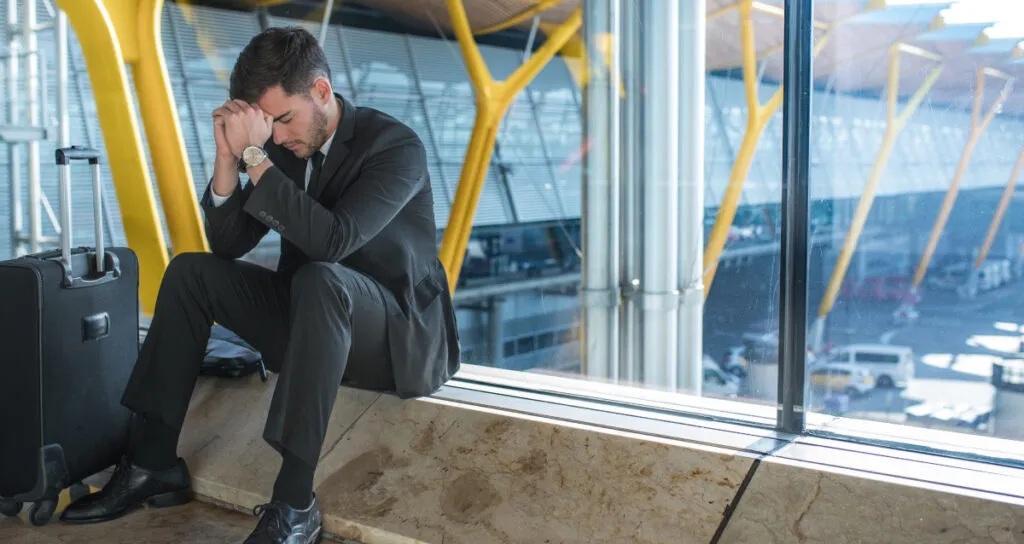
In the high-velocity landscape of 2026, the movement of human capital across borders and time zones has reached a state of unprecedented friction. While technology has optimized the logistics of booking and boarding, the biological cost of transit remains largely unmitigated. This “mobility tax” manifests as travel fatigue—a complex physiological and cognitive state that transcends mere tiredness. For the corporate executive, the researcher, or the intentional traveler, travel fatigue represents a significant erosion of operational capacity, leading to degraded decision-making, compromised immune function, and a measurable decrease in the return on investment for the journey itself.
To address this, we must look beyond simple “jet lag” remedies and examine the systemic drivers of depletion. Travel fatigue is an accumulation of micro-stressors: pressurized cabin environments, disrupted circadian rhythms, cognitive load from navigating unfamiliar logistics, and the metabolic impact of irregular nutrition. When these factors compound, they create “travel fatigue costs”—a ledger of hidden expenses that includes lost productivity, healthcare requirements, and the emotional toll of relational detachment upon return.
Understanding the architecture of this exhaustion is the first step toward a more sustainable model of mobility. This inquiry provides a definitive framework for identifying the biological and economic leakages associated with frequent transit. By treating travel not as a passive event but as a physiological intervention, we can begin to apply the principles of human performance optimization to the movement of bodies through space. This pillar article explores the multi-dimensional strategies required to preserve human capital in an era of relentless motion.
Understanding “How to Reduce Travel Fatigue Costs”
A sophisticated approach to travel management requires a departure from the “power through it” mentality that dominated the late 20th century. To effectively address how to reduce travel fatigue costs, one must view the traveler as a biological system subject to environmental stressors. In this context, “costs” are not merely financial outlays for business-class seats or lounge access; they are the “metabolic debt” incurred when the body is forced to adapt to rapid changes in altitude, air quality, and time zones.
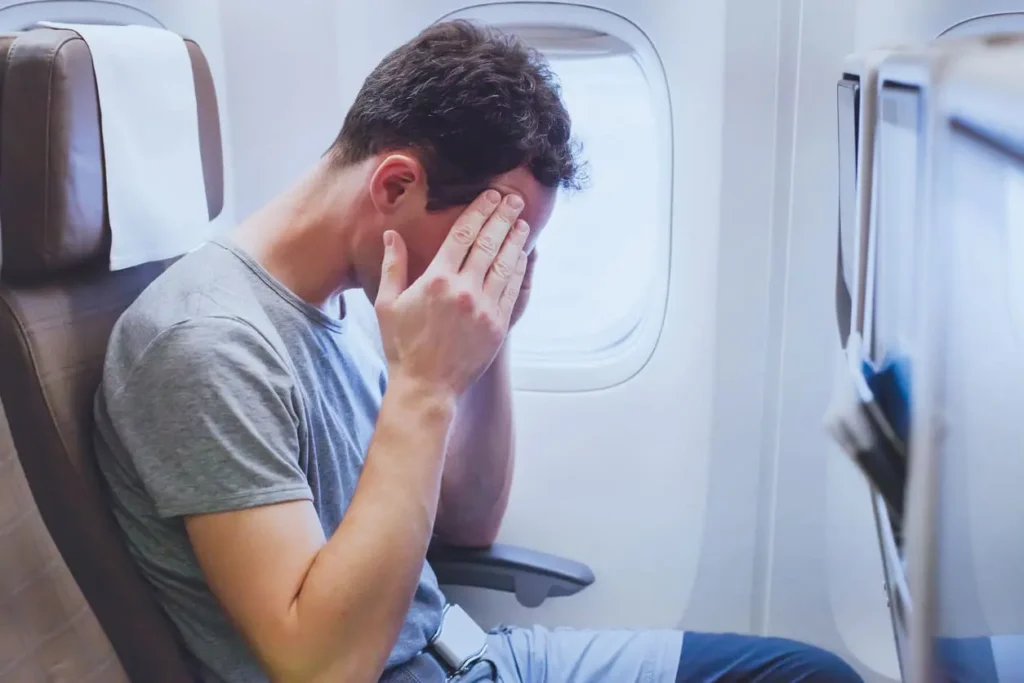
A common misunderstanding is the conflation of travel fatigue with jet lag. While jet lag is specifically a chronobiological misalignment of the circadian clock, travel fatigue is a cumulative state of exhaustion that can occur even on north-south routes where no time zones are crossed. It is a product of the “allostatic load”—the wear and tear on the body which grows with every hour spent in a low-humidity, pressurized cabin or navigating high-density transit hubs. Oversimplification often leads travelers to focus on sleep alone, ignoring the roles of hydration, cognitive load, and thermal regulation in the recovery process.
The risk of ignoring these costs is systemic. For organizations, it manifests as “Presenteeism,” where the traveler is physically present at a meeting but cognitively impaired by a 20% drop in executive function. For the individual, it leads to “Systemic Inflammation,” increasing susceptibility to pathogens encountered in international hubs. Therefore, a robust strategy for reducing these costs must be bi-directional: it must involve pre-emptive shielding during the transit phase and aggressive metabolic integration upon arrival.
Contextual Background: The Evolution of Human Displacement
The history of travel fatigue is as old as the Silk Road, but its modern incarnation began with the advent of pressurized flight in the 1950s. Early jet travel was marketed as a glamorous luxury, masking the reality of the “Jet Set” exhaustion. By the 1980s, the “road warrior” culture emerged, prioritizing volume and velocity over biological sustainability. In this era, travel fatigue was seen as a badge of honor—a proof of professional importance.
As we enter 2026, the paradigm has shifted toward “Sustainable Mobility.” This change is driven by advancements in neurobiology and the widespread use of wearable biometrics. We can now quantify the cost of a red-eye flight in terms of Heart Rate Variability (HRV) depression and glucose dysregulation. Organizations are beginning to realize that the “cost-saving” measure of booking a cheaper, multi-stop flight often results in a massive “productivity loss” that far exceeds the airline ticket savings. The evolution is moving toward a “duty of care” that includes the physiological integrity of the employee.
Conceptual Frameworks for Physiological Preservation
1. The “Allostatic Load” Framework
This model treats travel fatigue as a cumulative bucket. Every stressor—the dry air, the blue light from screens, the sodium-heavy airplane food—adds “water” to the bucket. Fatigue occurs when the bucket overflows. Mitigation involves either increasing the size of the bucket (fitness/resilience) or creating “drainage” through recovery protocols.
2. The “Circadian Gating” Model
This framework posits that the body has specific “windows” for certain activities. Trying to perform high-level cognitive work during a “circadian trough” (usually 3:00 AM to 5:00 AM body time) is exponentially more taxing than doing the same work during a “peak.” Governance involves aligning critical tasks with these biological gates.
3. The “Signal-to-Noise” Metabolic Theory
In a new environment, the body is flooded with “noise”: new bacteria, different light frequencies, and altered food sources. This model focuses on providing the body with “clear signals” to anchor it, such as morning sunlight exposure (lux) and standardized protein intake, to reduce the energy required for environmental adaptation.
Taxonomy of Travel-Related Stressors and Trade-offs
Identifying how to reduce travel fatigue costs requires a granular breakdown of where the depletion occurs.
| Category | Primary Stressor | Impact | Mitigation Trade-off |
| Environmental | Pressurization/Low Humidity | Blood oxygen drop; dehydration | Cost of cabin class vs. hydration effort |
| Chronobiological | Time Zone Shifts | Hormonal dysregulation (Cortisol/Melatonin) | Time cost of “pre-shifting” vs. onsite lag |
| Nutritional | High-Sodium/Processed Food | Gut microbiome disruption; inflammation | Meal prep effort vs. convenience |
| Cognitive | Logistics/Language/Navigation | Pre-frontal cortex exhaustion | Cost of concierge services vs. mental labor |
| Sensory | Noise/Vibration/Blue Light | Sympathetic nervous system arousal | Weight of noise-canceling gear vs. rest quality |
| Metabolic | Sedentary Stasis | Reduced lymphatic drainage; “Heavy legs.” | Loss of work time vs. movement breaks |
Realistic Decision Logic
The “Value-at-Risk” (VaR) of a trip should dictate the investment in mitigation. If a trip involves a $100M contract negotiation, the “cost” of a first-class seat is negligible compared to the “cost” of a cognitively impaired negotiator. If the trip is a routine internal check-in, lower-cost somatic strategies (like fasting and hydration) become the primary tools.
Detailed Real-World Scenarios and Decision Logic
Scenario 1: The Trans-Atlantic “Red-Eye”
-
The Goal: Arriving in London at 7:00 AM and being productive by 10:00 AM.
-
Decision Point: Choosing between eating on the plane and fasting.
-
The Strategy: Fasting during the flight (to prevent metabolic “jet lag”) and seeking 20 minutes of outdoor light immediately upon landing.
-
Failure Mode: Eating the high-carb plane breakfast at 2:00 AM body-time, which spikes insulin and signals the “wrong time” to the digestive clock.
Scenario 2: The Multi-Stop Domestic “Slog”
-
The Goal: Maintaining energy over three cities in four days across two time zones.
-
The Strategy: “Anchor Timing.” Keeping the body on “Home Time” for all meals and sleep cycles if the stay in each city is less than 48 hours.
-
Second-Order Effect: Reduces the number of times the master clock (the SCN in the brain) has to reset, preserving cognitive bandwidth for the actual work.
Economic Dynamics: Quantifying the Hidden Tax of Transit
The financial logic of travel often ignores the “shadow ledger.” When we evaluate the budget, we must include the following:
| Cost Type | Direct Cost Example | Indirect/Fatigue Cost Example |
| Transportation | Ticket price: Uber to the airport | Post-trip “recovery days” (unproductive) |
| Infrastructure | Hotel room rate | Cost of “re-work” due to travel-induced errors |
| Metabolic | Coffee; airport meals | Compromised immune system (sick leave) |
| Opportunity | Time spent in transit | Lost “deep work” hours due to cognitive fog |
Weekly Impact Projection (High-Frequency Traveler)
A traveler who ignores fatigue costs might save $2,000 a month on ticket prices but lose 15 hours of high-value output. At a billable rate of $300/hr, the “saving” actually costs the organization $2,500 in lost revenue, resulting in a net loss.
Support Systems, Tools, and Mitigation Strategies
-
Hydration Osmosis: Moving beyond water to include electrolytes (Sodium/Potassium/Magnesium). Pressurized air pulls moisture from the blood; simple water often passes through without hydrating the cells.
-
Light Hygiene Gear: Utilizing amber-tinted glasses for evening flights to preserve melatonin and high-intensity “Light Boxes” (or sunlight) for morning arrival.
-
The “Pre-Flight Taper”: Reducing caffeine and alcohol 48 hours before transit to ensure the nervous system isn’t “brittle” when entering the cabin.
-
Somatic Drainage: Utilizing compression garments and deliberate calf-pumping exercises to maintain lymphatic flow during sedentary hours.
-
Micro-Dosing Stillness: Using noise-canceling technology to create a “sensory vacuum,” reducing the amount of data the brain has to process (the “cocktail party effect”).
-
Chronobiological Apps: Using tools that calculate exactly when to seek light and when to avoid it based on the specific route and individual sleep patterns.
The Risk Landscape: Compounding Biological Failures
Travel fatigue is rarely the result of a single error; it is a “Failure Stack.”
-
The “Dehydration-Caffeine” Loop: Using caffeine to mask fatigue leads to further dehydration, which increases blood viscosity, leading to deeper fatigue.
-
The “Alcohol-Sleep” Trap: Using a drink to fall asleep in a new time zone ruins “Sleep Architecture” (REM/Deep sleep balance), meaning the traveler wakes up physically rested but cognitively “un-pruned.”
-
Compounding Immunity Risk: Chronic travel fatigue suppresses T-cell activity. In a world of high-density transit, the “cost” of a 10-day viral infection is perhaps the most significant travel fatigue cost of all.
Governance, Maintenance, and Long-Term Adaptation
For the frequent traveler, recovery must be governed by an “SOP (Standard Operating Procedure).
The “Post-Travel Integration” Checklist:
-
The 24-Hour Buffer: Whenever possible, schedule a “No-Meeting” day immediately following a long-haul return.
-
Thermal Reset: Utilizing saunas or cold plunges post-travel to trigger “Heat Shock Proteins” and flush metabolic waste.
-
The “Earth-to-Skin” Protocol: Direct contact with the ground (earthing) or natural water sources to re-regulate the body’s electromagnetic field (EMF) after being in a high-EMF airplane environment.
-
Dietary Standardization: Sticking to a “Safe Set” of foods for 48 hours post-travel to allow the gut microbiome to stabilize.
Measurement, Tracking, and Evaluation of Recovery
To optimize, one must measure.
-
Leading Indicator: HRV (Heart Rate Variability). A low HRV on the morning of arrival is a signal to cancel non-essential meetings and prioritize recovery.
-
Quantitative Signal: Resting Heart Rate (RHR). An elevated RHR post-travel indicates the body is still in a “threat response” and hasn’t integrated the change.
-
Qualitative Signal: The “Irritability Index.” Tracking one’s emotional reactivity during transit as a proxy for pprefrontalcortex depletion.
Common Misconceptions and Oversimplifications
-
Myth: “I can just sleep on the plane to catch up.”
-
Correction: Airplane sleep is low-quality due to noise, vibration, and hypoxia. It is “sedation,” not “restoration.”
-
Myth: “Alcohol helps with jet lag.”
-
Correction: Alcohol prevents the brain from entering deep sleep and dehydrates the system, doubling the time it takes to adjust.
-
Myth: “Business class is just about the bigger seat.”
-
Correction: Business class is about Horizontal Positioning (allowing the heart to pump blood more efficiently to the brain) and Reduced Sensory Input. It is a medical intervention as much as a luxury one.
Ethical and Contextual Considerations
As we analyze how to reduce travel fatigue costs, we must acknowledge the “Inequity of Mobility.” Not all travelers have access to the resources required for optimal mitigation. However, the most effective strategies—light management, hydration, and fasting—are virtually free. The ethical challenge for organizations is to move away from rewarding “heroic exhaustion” and toward rewarding “disciplined recovery.” A traveler who arrives rested is a more ethical representative of their organization than one who arrives as a liability to themselves and others.
Conclusion
The mitigation of travel fatigue is a fundamental requirement for the modern era of global engagement. By deconstructing the “hidden tax” of transit and applying a rigorous, biological framework to recovery, we can transform travel from a depleting necessity into a sustainable practice. Reducing travel fatigue costs is not an act of indulgence; it is an act of “existential maintenance.” As the speed of our world continues to increase, the value of the “stabilized traveler” becomes our most precious commodity. The ultimate goal of transit management is to arrive not just at a destination, but in a state of being that is ready to engage, create, and connect.