Best Wellness Retreats for Singles: A 2026 Expert Guide to Solo Healing
In an era defined by hyper-connectivity and the relentless “performative” nature of social interaction, the act of traveling alone has transitioned from a niche curiosity to a profound strategic necessity. For many, the most significant barrier to genuine restoration is not the lack of opportunity, but the presence of others. Even the most harmonious relationships require a degree of compromise—in timing, in intensity, and in emotional availability. Consequently, a new class of high-tier restorative environments has emerged, specifically designed to eliminate the “social friction” that often sabotages health outcomes.
The decision to seek the best wellness retreats for singles is rarely about a lack of companionship; rather, it is about reclaiming the self. These institutions recognize that for a nervous system to truly downregulate, the individual must be freed from the subterranean pressure of being “perceived.” When the need to negotiate a daily schedule with a partner or peer is removed, the participant can finally enter a state of “primary attention,” where every biological and psychological resource is directed toward internal repair.
However, the global landscape of solo-focused wellness is increasingly complex. It spans from clinical longevity centers in the Swiss Alps, where “solo” means total isolation and medical rigor, to communal ashrams in the Himalayas, where the focus is on a shared, yet silent, spiritual odyssey. Navigating these options requires more than a comparison of room rates; it demands a deep understanding of how different environments leverage solitude to catalyze change. This article provides a comprehensive analysis of the systemic layers, psychological frameworks, and operational standards that define the pinnacle of solo wellness in 2026.
Understanding “Best Wellness Retreats for Singles”
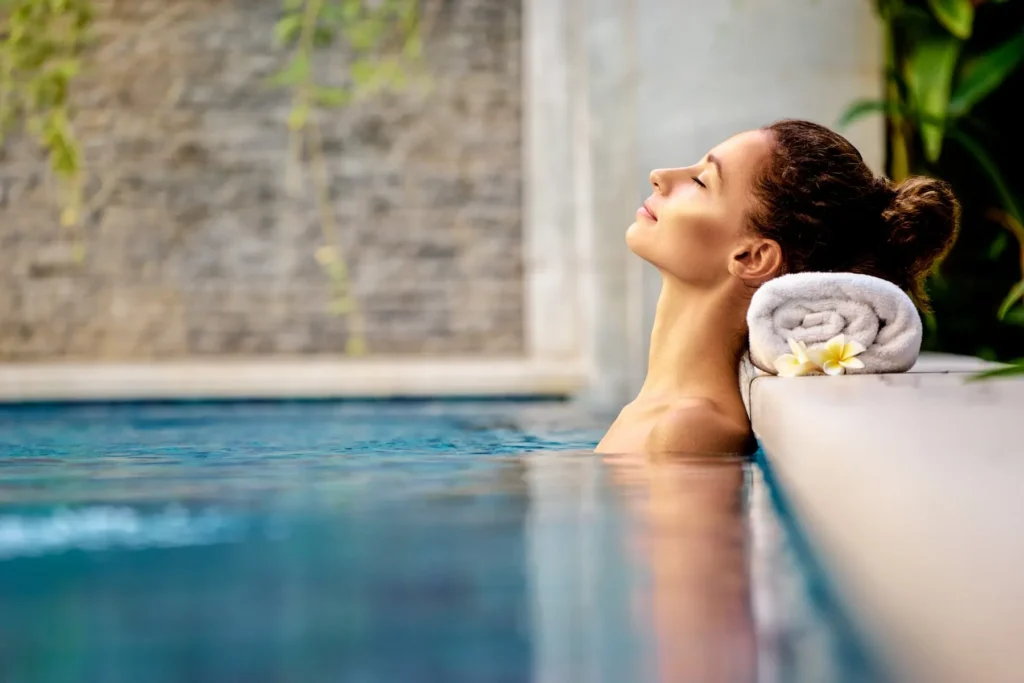
The industry term best wellness retreats for singles is frequently misconstrued by the general public as a search for “singles mixers” or social vacations. From a professional editorial standpoint, this couldn’t be further from the truth. In the context of authority-tier wellness, “singles” refers to the solo traveler—the individual seeking an unbuffered, highly personalized health intervention. The “best” options are those that provide a safe, high-efficacy container for solitude without the unintended side effect of loneliness.
A primary risk in selecting these programs is the “Couples’ Resort Trap.” Many high-end properties are architecturally and socially optimized for pairs—think romantic candlelit dinners and double-occupancy spa suites. For a solo traveler, being surrounded by couples can trigger a “social alert” state in the brain, which effectively blocks the parasympathetic nervous system from fully engaging. True solo-centric retreats mitigate this through specific design choices: communal “social tables” for low-pressure interaction, solo-weighted scheduling, and a culture where dining alone is the celebrated norm rather than a logistical outlier.
Furthermore, the “options” for singles in 2026 have bifurcated into two distinct philosophies:
-
The Hermetic Model: Total seclusion, private dining, and one-on-one coaching. Ideal for deep trauma work, mourning, or extreme burnout.
-
The Sangha (Community) Model: Structured group activities with “Noble Silence” or optional socializing. Ideal for those seeking the energy of a group without the obligation of conversation.
The Systemic Evolution of Solo Recovery
Historically, wellness travel for individuals was either a byproduct of religious pilgrimage or a necessity for medical treatment (the 19th-century tuberculosis sanatorium). In both cases, the traveler was often alone out of necessity, not choice. The mid-20th century then introduced the “Social Club” era, where wellness was secondary to networking and luxury.
In 2026, we are witnessing the “Immersive Autonomy” era. Modern retreats are no longer just places to go; they are systems to inhabit. The architecture has changed: properties like SHA Wellness Clinic or Euphoria Retreat now integrate solo-friendly “monastic luxury” into their core DNA, utilizing minimalist design to reduce visual noise and encourage introspection.
Conceptual Frameworks: The Psychology of Solitude
1. The “Social Safe-Base” Theory
For a solo traveler to relax, the environment must feel inherently “safe” at a primal level. This is why the best wellness retreats for singles prioritize 24/7 support, well-lit pathways, and high staff-to-guest ratios. When the brain doesn’t have to scan for external threats, it can begin the internal “scanning” required for emotional processing.
2. The Dopamine Fasting Model
Many solo retreats in 2026 function as a “Digital and Social Detox.” By removing the dopamine spikes associated with social validation (likes, conversation, flirting), the brain’s reward circuitry can recalibrate.
-
Limits: This can lead to an “emotional crash” on day three or four, requiring professional onsite counseling to navigate.
3. The Biophilic Sequestration Model
This model suggests that solitude is most effective when paired with nature. Research indicates that being alone in a dense forest or by a vast ocean significantly increases “alpha wave” activity in the brain.
-
Limits: Over-immersion in remote areas can trigger “isolation anxiety” in those not used to the absence of urban noise.
Core Categories and Comparative Trade-offs
Identifying the best wellness retreats for singles requires a clear taxonomy of the current market.
| Category | Primary Philosophy | Solo Integration Method | Major Trade-off |
| Medical/Clinical | Longevity & Diagnostics | Private Suites; Structured MD Consults | High “clinical” feel; restricted movement |
| Monastic/Silent | Spiritual Deconstruction | Shared Silence; Communal Meditations | Mentally grueling; no “leisure.” |
| Boutique/Holistic | Emotional Balance | Solo-centric Activities; Cozy Spaces | Lower medical rigor; smaller facilities |
| Fitness/Bootcamp | Physical Transformation | Group Sprints; Communal Dining | High physical risk; less “inner” work |
| Nature/Eco-Retreat | Environmental Healing | Remote Cabins; Solo Hiking Trails | Logistically difficult; weather dependent |
Decision Logic: The “Intent vs. Environment” Matrix
If your intent is Metabolic Reset, a clinical medical spa in Spain or Austria is the superior choice. If your intent is Grief or Transition, a boutique holistic retreat in Bali or Arizona provides the “softer” psychological container necessary for vulnerable emotional work.
Scenario Analysis: Decision Points and Constraints
Scenario A: The “High-Functioning Burnout”
-
Profile: An executive who hasn’t been “unplugged” for more than 48 hours in five years.
-
Selection: A 10-day Digital Detox retreat in a “No-WiFi” Blue Zone (e.g., Costa Rica).
-
Constraint: The “Withdrawal Phase.” On day two, the individual may experience physical symptoms (headaches, irritability) as the brain craves the stimulus of work.
-
Failure Mode: Sneaking a device or failing to follow the pre-retreat “taper” protocol.
Scenario B: The “Self-Discovery” Solo Traveler
-
Profile: Someone recently single or in a major life transition (retirement, career change).
-
Selection: Ananda in the Himalayas or Kamalaya (Thailand).
-
Second-Order Effect: The “Sangha Effect”—unexpectedly deep connections with other solo travelers can sometimes distract from the primary goal of self-reflection.
Economic Dynamics: The “Solo Premium”
The financial landscape for solo wellness is notoriously skewed by the “Single Supplement”—a surcharge applied to individuals using a room designed for two.
| Tier | Direct Cost (USD/Night) | Value Driver for Singles | Opportunity Cost |
| Accessible | $250 – $450 | Shared rooms; DIY schedules | High time-management burden |
| Premium | $600 – $1,200 | No single supplement; Group classes | Moderate; requires 7+ days |
| Ultra-Luxury | $2,000 – $5,000+ | Private Butler; Medical Diagnostics | High; absolute commitment required |
In 2026, the best wellness retreats for singles are those that have eliminated the single supplement, recognizing that the solo traveler is a primary, not secondary, market segment.
The Risk Landscape: Failure Modes
-
Isolation Paradox: When a retreat offers too much solitude without professional check-ins, leading to rumination rather than reflection.
-
The “Vacation” Illusion: Expecting a wellness retreat to feel like a “holiday.” True transformation is often uncomfortable and requires “labor.”
-
Post-Retreat Rebound: The “Cliff Effect”—returning from a 10-day silent retreat directly into a high-stress family or work environment without a 48-hour “buffer” period.
Governance, Maintenance, and Adaptation
Success in a solo retreat is not a “set it and forget it” event. It requires active governance.
-
Pre-Arrival Ritual: A 3-day “Digital Taper” (reducing screen time by 50% daily).
-
In-Stay Review: A mid-point check-in with a wellness coach to adjust treatments based on the first 72 hours of data.
-
The “Home-Entry” Protocol: Pre-scheduling “Quiet Blocks” in the first week back to prevent the immediate “overwriting” of new neural pathways by old habits.
Measurement and Evaluation of Outcomes
How do you know if you chose the right retreat?
-
Leading Indicator: An increase in Heart Rate Variability (HRV)—a primary signal that the nervous system has moved from “Alert” to “Safe.”
-
Qualitative Signal: The “Social Battery” test—feeling a genuine desire to connect with others upon your return, rather than a sense of obligation.
-
Lagging Indicator: The “3-Month Habit Durability”—are the breathing techniques or dietary shifts still present 90 days later?
Common Misconceptions
-
Myth: “You’ll be bored.”
-
Correction: Boredom is the “entry gate” to creativity and deep rest. The discomfort of boredom is actually the brain’s “detox” process.
-
Myth: “Solo retreats are only for people with problems.”
-
Correction: In 2026, solo wellness is a high-performance tool used by the world’s most successful individuals to maintain their “cognitive edge.”
-
Myth: “It’s better to go with a friend for support.”
-
Correction: Bringing a friend often tethers you to your old identity, preventing the “Self-Deconstruction” necessary for true growth.
Conclusion
The evolution of the best wellness retreats for singles reflects a deeper cultural maturation—an understanding that the most important relationship we manage is the one we have with our own biology and psyche. Choosing to go solo is not an act of isolation, but an act of strategic investment. By carefully matching one’s current “nervous system budget” to the right architectural and clinical container, the solo traveler can achieve a level of restoration that is simply impossible in a group or couple’s dynamic.