American Wellness Sanctuary Destinations: The 2026 Editorial Audit
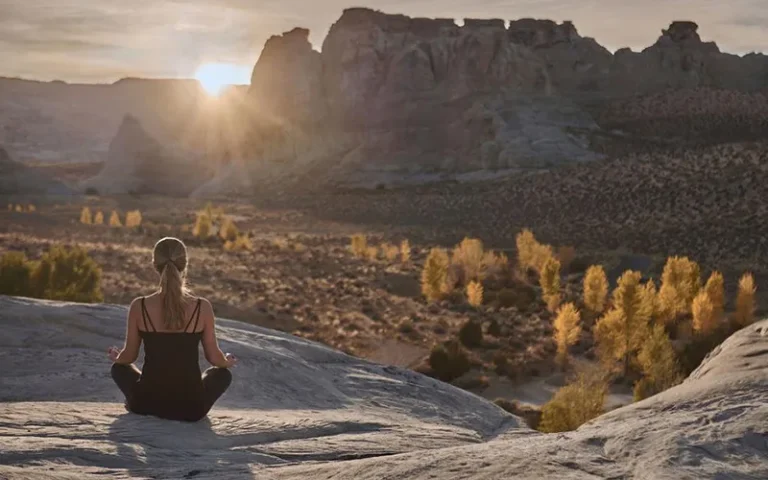
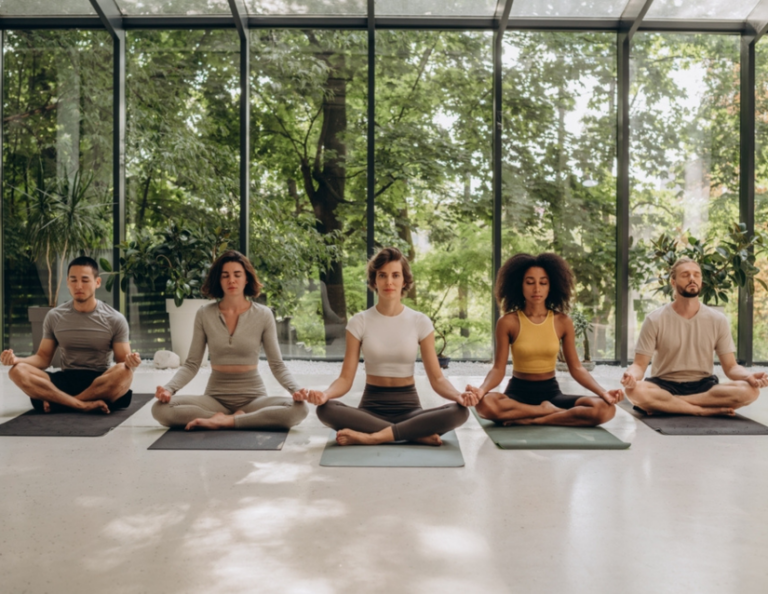
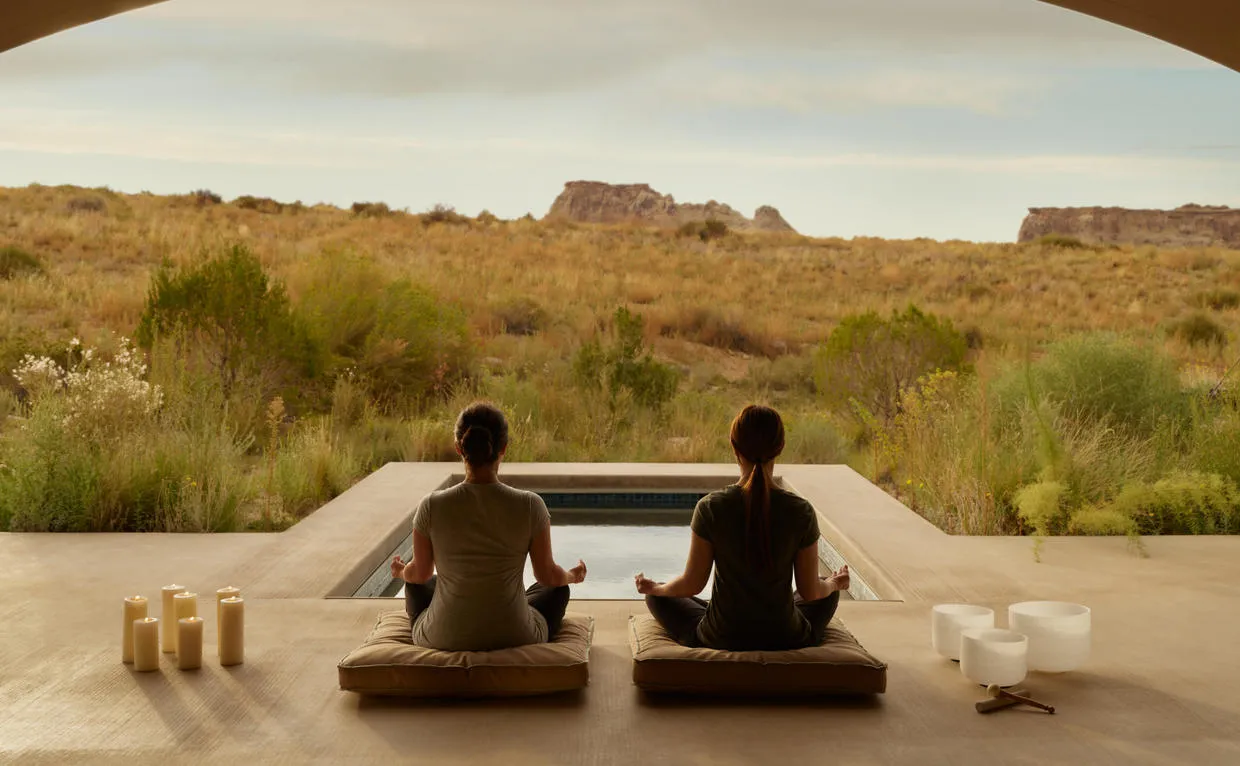
In the contemporary American lexicon, the term “sanctuary” has transitioned from a theological designation to a physiological necessity. As we navigate 2026, the domestic wellness landscape has matured far beyond the aesthetic spa culture of previous decades, coalescing into a sophisticated network of institutions focused on deep biological and psychological recalibration. These American wellness sanctuary destinations represent more than geographic retreats; they are engineered environments designed to counteract the chronic sympathetic nervous system arousal—commonly termed “the fight-or-flight state”—that defines modern professional life.
The efficacy of these destinations is rooted in a shift from passive pampering to active, medically-informed intervention. The modern seeker is no longer satisfied with a standard massage; they are pursuing metabolic health, circadian alignment, and cognitive resilience. This evolution mirrors a broader societal recognition that health is not merely the absence of disease, but the optimization of human potential. In this context, the United States has emerged as a global leader, leveraging its diverse topography—from the high-altitude deserts of the Southwest to the dense forests of the Northeast—to create “Hormetic Sanctuaries” that use environmental stressors to trigger systemic healing.
To evaluate these institutions with the rigor they deserve, one must move past marketing nomenclature. The term “wellness” is frequently applied to any hotel with a fitness center, yet a true sanctuary must meet a threshold of institutional permanence, credentialed staffing, and longitudinal results. This article provides a definitive editorial audit of the most significant wellness sanctuaries in the U.S., analyzing the structural and philosophical frameworks that allow these sites to serve as genuine catalysts for long-term lifestyle transformation.
Understanding “American Wellness Sanctuary Destinations”
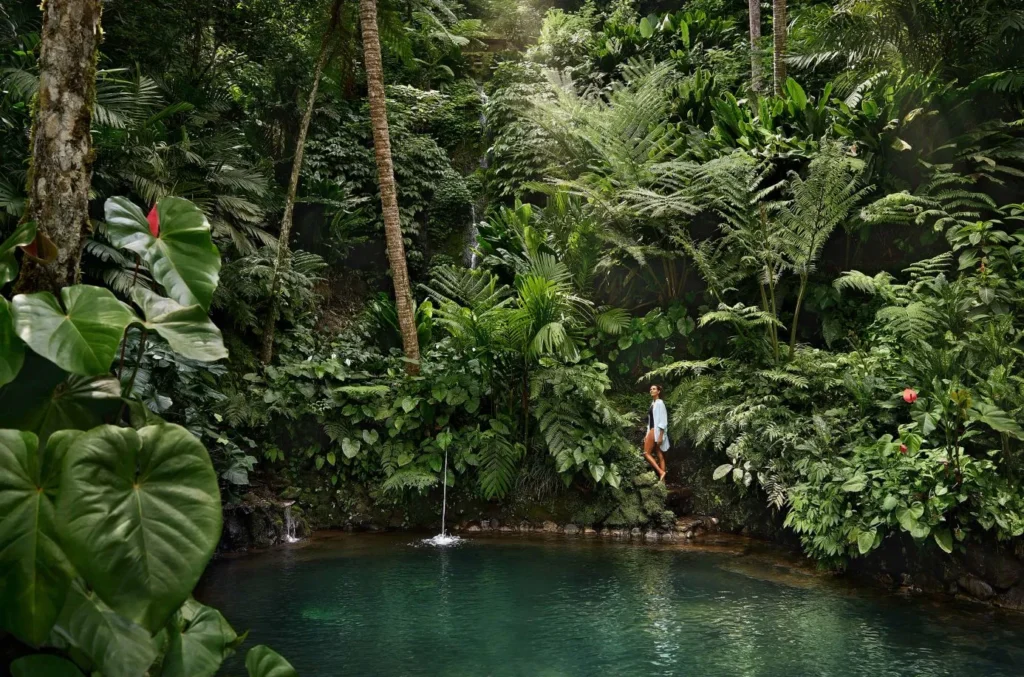
The phrase American Wellness Sanctuary Destinations is often diluted by the hospitality industry, but at its peak, it describes a “Regulated Environment” where every variable—light, sound, nutrition, and social interaction—is curated to support a specific biological outcome. A fundamental misunderstanding is that these destinations are simply “luxury hotels.” In reality, luxury is often a secondary byproduct of the primary goal: total environmental control. While a luxury resort prioritizes comfort and indulgence, a wellness sanctuary may intentionally introduce discomfort—cold plunges, rigorous hiking, or dietary restriction—to catalyze physiological adaptation.
Oversimplification risks in this sector are profound. The most common error is equating “place” with “program.” A beautiful location in Sedona is not inherently a sanctuary; it is the curriculum hosted within that location that defines its efficacy. A true sanctuary must provide “Operational Continuity,” meaning the staff, protocols, and ethos remain consistent year-over-year, allowing for the build-up of institutional wisdom.
Furthermore, these destinations are increasingly adopting “Precision Wellness” models. As of 2026, many of the premier American sanctuaries utilize biometrics—tracking heart rate variability (HRV), cortisol patterns, and sleep architecture—to adjust a guest’s program in real-time. This moves the experience from a generic “one-size-fits-all” retreat to a clinical-grade health intervention. The “best” destination is therefore not the one with the most amenities, but the one that most accurately aligns its environmental architecture with the specific physiological needs of the guest.
Historical Context: The Evolution of the Healing Landscape
The American tradition of wellness sanctuaries began as a response to the Industrial Revolution. In the mid-19th century, “Water Cures” and “Sanatoriums” in places like Battle Creek, Michigan, and the hot springs of Arkansas served as the prototypes. These sites were often spartan, rooted in Seventh-day Adventist principles or hydrotherapy, focusing on “Clean Living” as an antidote to urban pollution and sedentary lifestyles.
The 1970s marked the birth of the “Modern Wellness Movement” in California. The opening of the first true wellness centers—like John Travis’s center in Mill Valley—shifted the focus from treating illness to achieving “High-Level Wellness.” This era introduced the concept that mental and emotional states are inextricably linked to physical health, a revolutionary idea at the time that laid the groundwork for the holistic retreats we see today.
By 2026, we have entered the “Integrated Longevity Era.” Wellness sanctuaries are no longer fringe operations but major players in the $6.8 trillion global wellness economy. The current landscape is defined by the integration of ancient wisdom (Ayurveda, Traditional Chinese Medicine) with “Bio-Optimization” (NAD+ infusions, cryotherapy, and neuro-acoustic stimulation). The modern sanctuary is essentially a hybrid of a five-star resort, a research hospital, and a spiritual cloister.
Conceptual Frameworks for Evaluating Sanctuary Integrity
1. The “Environmental Congruence” Model
This framework assesses whether the physical environment supports the promised wellness goal.
-
Mechanism: A sanctuary promising “Adrenal Recovery” must have an “Acoustic Floor” (noise levels below 35 decibels) and no light pollution.
-
Failure: A “wellness resort” in a major city that cannot control for traffic noise or blue light from streetlamps fails this model.
2. The “Staff-to-Subject” Expertise Ratio
Evaluates the depth of professional oversight.
-
Indicator: A high-integrity sanctuary has a 1:1 or higher ratio of staff to guests, with a significant percentage of staff holding advanced degrees (MD, PhD, PsyD) or specialized certifications in longevity and functional medicine.
3. The “Hormetic Load” Balance
Measures the sanctuary’s ability to safely apply stress for growth.
-
Factor: Does the destination provide structured “Stressors” (sauna, cold, fasting) with adequate “Recovery Support” (sleep coaching, nutrient-dense meals)?
-
Limit: Too much stress leads to burnout; too little leads to stagnation. The sanctuary must be the “Governor” of this load.
Taxonomy of American Sanctuaries: Categories and Trade-offs
Identifying the right American wellness sanctuary destinations requires understanding their “Primary Modality.”
| Category | Primary Focus | Key Trade-off | Example Geographic Hubs |
| Medical Longevity | Advanced Diagnostics/Bio-hacking | High cost; clinical atmosphere | Arizona, Southern California |
| Spiritual Metaphysical | Energy work/Vortexes/Spirituality | Less scientific “proof”; highly subjective | Sedona (AZ), Ojai (CA) |
| Bootcamp Fitness | Weight loss/Metabolic reset | Physically grueling; low “relaxation.” | Malibu (CA), Hudson Valley (NY) |
| Nature Immersive | Forest bathing/Silvotherapy/Stillness | Remote; limited modern amenities | Blue Ridge Mtns (NC), Maine |
| Thermal/Hydro | Natural hot springs/Mineral cures | Can be crowded/public access | Hot Springs (AR), Wyoming |
| Aesthetic/Spa | Skin health/Sensory pleasure | Surface-level; less “root cause” work | Miami (FL), Napa Valley (CA) |
Decision Logic: The “State-Goal” Alignment
A participant must determine their “Dominant Deficiency.” If the deficiency is Biochemical (blood markers, hormones), a Medical Longevity sanctuary is required. If the deficiency is Neurological (chronic stress, burnout), a Nature Immersive or Spiritual sanctuary will yield better results by removing the “Performance Pressure” found in clinical settings.
Detailed Real-World Scenarios and Decision Points
Scenario 1: The “Burnout” Executive
-
The Situation: A 45-year-old CFO with chronic insomnia and high blood pressure seeks a reset.
-
The Decision: Avoid “Bootcamp” retreats. The sympathetic nervous system is already overtaxed. Choosing a “Nature Immersive” sanctuary in the Blue Ridge Mountains—focusing on parasympathetic activation through slow hiking and sound baths—is the strategic choice.
-
Failure Mode: Selecting a high-intensity fitness retreat that causes a “Rebound Crash” upon returning to work.
Scenario 2: The “Metabolic Rebound”
-
The Situation: A traveler seeking sustainable weight loss after years of “Yo-Yo” dieting.
-
The Decision: Select a sanctuary that offers “Nutrigenomics” (DNA-based nutrition). By understanding their genetic response to macros, the guest leaves with a protocol, not just a temporary loss.
-
Second-Order Effect: The guest gains “Metabolic Flexibility,” allowing them to maintain health without rigid deprivation.
Economic Dynamics: Costs, Resources, and Opportunity
The pricing of American Wellness Sanctuary destinations reflects the “Intensity of Oversight.”
| Tier | Weekly Cost Range | Oversight Level | Typical Inclusions |
| Elite/Clinical | $15,000 – $35,000 | MD-led team | Genetic testing, daily medical consults |
| Premium/Boutique | $5,000 – $12,000 | Professional practitioners | Meals, classes, and daily spa treatments |
| Self-Directed | $1,500 – $3,500 | Limited facilitation | Room, board, access to facilities |
The “Opportunity Cost of Health”: While a $20,000 stay seems exorbitant, advocates argue it should be viewed against the lifetime cost of chronic disease management (diabetes, heart disease). If a week at a sanctuary “Resets” the metabolic trajectory, the return on investment (ROI) is technically infinite in terms of productive years gained.
Tools, Strategies, and Support Systems for Integration
A sanctuary visit is only as good as its “Integration Phase.”
-
Pre-Arrival “Downward Glide”: 48 hours before arriving, eliminate caffeine and alcohol. This prevents “Withdrawal Headaches” from consuming the first two days of the sanctuary experience.
-
The “Post-Stay Buffer”: Schedule two days of “Empty Space” upon returning home. Transitioning directly from a silent retreat to a board meeting is a recipe for “Systemic Shock.”
-
Wearable Synchronization: Sync your Oura or Whoop with the sanctuary’s experts. Let them interpret your data through the lens of their specific modalities.
-
Digital Guardrails: Use an “Analog Hour” strategy. Even if the sanctuary allows phones, commit to one hour of zero-tech horizon-watching daily.
-
The “Three-Habit” Rule: Do not try to keep 10 new rituals from the sanctuary. Choose three that have the highest “Ease-to-Impact” ratio.
-
Community Accountability: Many sanctuaries (like Miraval or Canyon Ranch) offer “Post-Stay Coaching.” Use it. The “Erosion of Intent” usually happens at day 14 post-return.
The Risk Landscape: Compounding Failure Modes
The primary risk in the sanctuary world is the “Aesthetic Bypass”—where beautiful surroundings mask a lack of clinical safety or practitioner depth.
-
The “Grey Market” Facilitator: Retreats led by “influencers” rather than trained therapists. This carries a high risk for psychological “Flooding” without proper containment.
-
Compounding Ecological Risks: A sanctuary in a wildfire-prone or hurricane-prone zone without a clear “Emergency Medical Evacuation” protocol.
-
The “Dependency Trap”: Programs that create a psychological need for the sanctuary’s specific “energy” or “guru,” rather than teaching the guest how to self-regulate in their home environment.
Governance, Maintenance, and Long-Term Adaptation
To maintain the benefits of a sanctuary, one must adopt a “Quarterly Review Cycle.”
-
Monitoring: Every 90 days, re-run the blood panels or biometric baselines established at the sanctuary.
-
Adjustment Triggers: If your HRV drops below your “Sanctuary Baseline” for 7 consecutive days, it is a trigger to implement “Mini-Sanctuary Protocols” (e.g., a 24-hour fast or a 48-hour digital detox).
-
Layered Integration Checklist:
-
Is my home lighting “Circadian Compliant”?
-
Have I scheduled my “Morning Sun Exposure”?
-
Am I maintaining the “Nutritional Anchor” learned during my stay?
-
Measurement, Tracking, and Evaluation of Efficacy
How do you determine if a sanctuary was “Successful”?
-
Lagging Indicator: “Re-Entry Resilience.” How long does it take for your stress levels to return to pre-sanctuary levels? A “Gold Standard” result is a stay where the baseline remains improved for 6 months.
-
Qualitative Signal: “Reframing Speed.” The ability to handle a professional crisis with “Equanimity” rather than “Reactivity.”
-
Documentation Example: Keeping a “State-Journal”—a daily 1-10 rating of energy, mood, and clarity—for 30 days post-stay.
Common Misconceptions and Oversimplifications
-
Myth: “I can do this at home with a YouTube video.”
-
Correction: You cannot replicate the “Environmental Lock” of a sanctuary. The removal of choice (what to eat, when to wake) is a critical part of the neurological reset.
-
Myth: “Wellness sanctuaries are only for people who are already healthy.”
-
Correction: The most significant “Slope of Improvement” is seen in individuals with high chronic stress or metabolic dysfunction.
-
Myth: “Hot springs are just big bathtubs.”
-
Correction: Transdermal absorption of magnesium and lithium in natural springs has measurable effects on the central nervous system that tap water cannot replicate.
-
Myth: “If it’s expensive, it must be better.”
-
Correction: Some of the most profound sanctuaries (like the Art of Living Center) are non-profit and mission-driven, offering deep transformation for a fraction of “luxury” prices.
Conclusion: The Sanctuary as a Strategic Asset
The emergence of American Wellness Sanctuary destinations marks a permanent shift in how we view the “Cost of Performance.” In an era of infinite digital noise and physiological depletion, these destinations serve as the necessary “Counter-Weights” to a high-output life. By moving away from the superficiality of the “spa visit” and toward the rigor of “Systemic Recalibration,” individuals can transform their health from a liability into a strategic asset. The ultimate goal of the sanctuary is its own obsolescence: a truly successful stay provides the guest with the tools, clarity, and biological momentum to build a sanctuary within their own daily life.