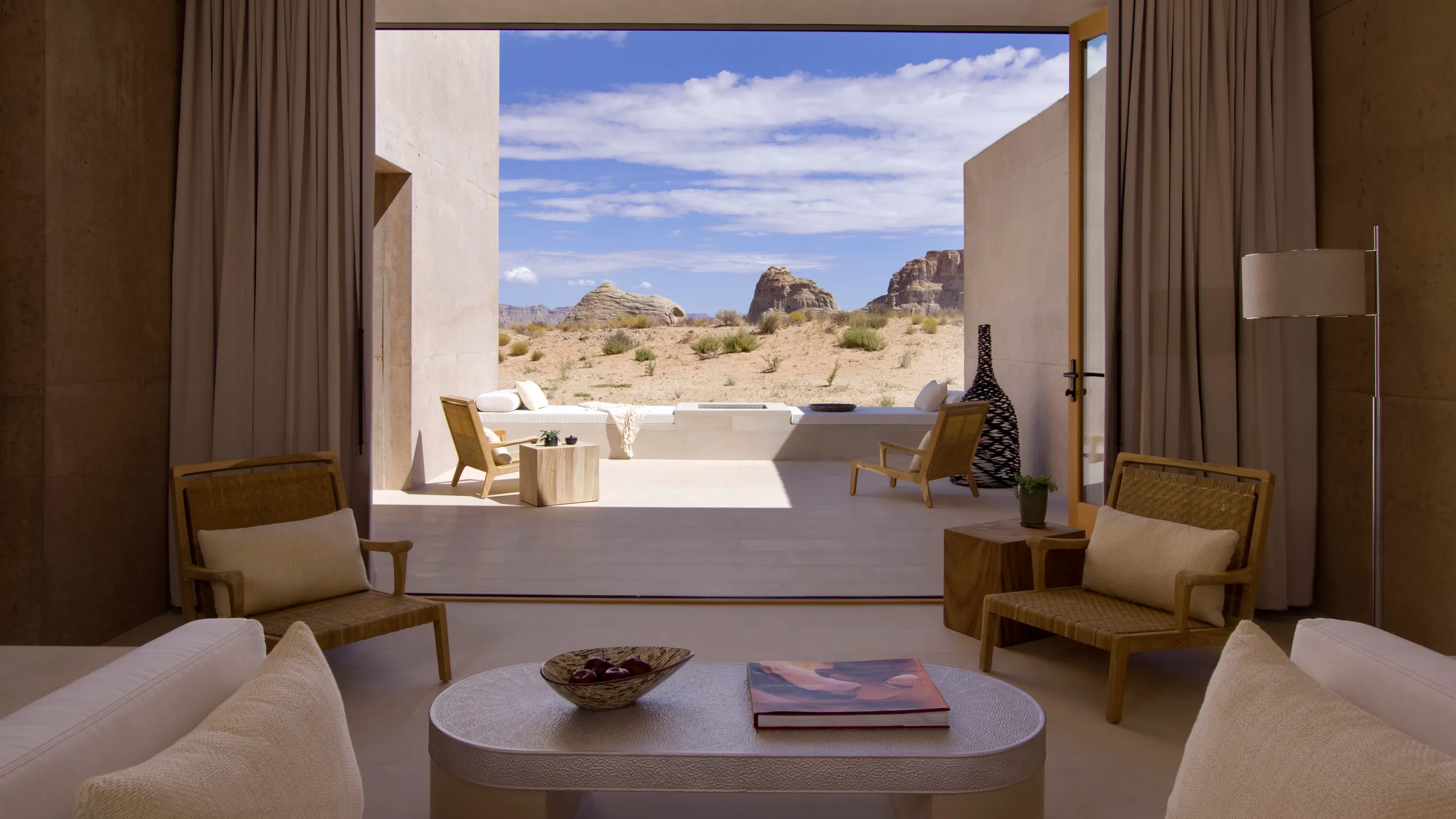
Luxury Desert Retreats USA: The Definitive 2026 Strategic Guide
The American desert has transitioned from a landscape of perceived inhospitability to a premium theater for psychological and physiological restoration. This shift is not merely an aesthetic trend in hospitality but a response to the “over-saturation” of modern urban environments. In the high-desert regions of the Southwest, luxury is being redefined as “spatial sovereignty”—the rare opportunity to exist in a low-stimulus, high-vastness environment. For the intentional traveler, these arid basins offer a unique physiological “down-regulation” that coastal or forested environments cannot replicate, primarily due to the specific light quality, acoustic silence, and the neurological impact of “infinite” horizons.
The demand for these experiences has birthed a sophisticated infrastructure that bridges the gap between raw wilderness and climate-controlled opulence. However, navigating the sector of premium desert immersions requires an analytical eye that can distinguish between “Aesthetic Deserts”—resorts that use the landscape merely as a backdrop—and “Integrated Deserts,” which utilize the biome’s specific stressors and signals to facilitate health. As we move deeper into 2026, the maturity of this market is reflected in properties that no longer fight the desert climate but harmonize with its diurnal rhythms to optimize the guest’s circadian health.
This pillar article serves as a definitive audit of the domestic desert landscape, examining the historical evolution, the biological mechanisms of arid-region restoration, and the economic realities of high-stakes remote travel. By deconstructing the “metabolic tax” of the desert and the “restorative signals” of its unique biomes, we provide a rigorous roadmap for the seeker who treats their environmental exposure as a critical component of their long-term vitality.
Understanding “Luxury Desert Retreats USA”
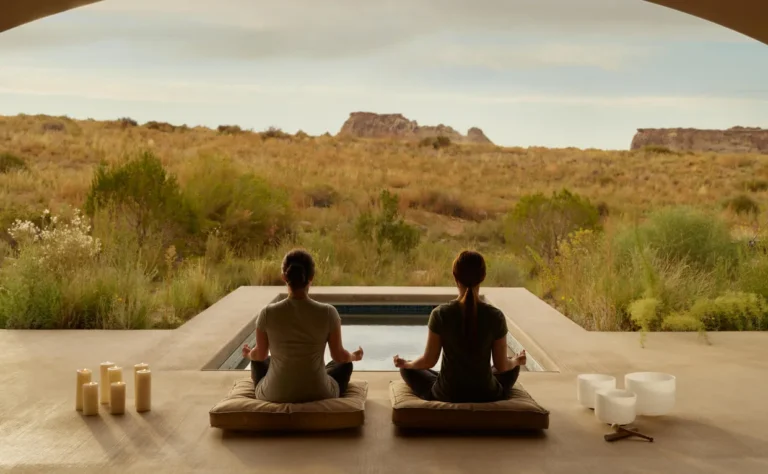
To engage effectively with luxury desert retreats USA, one must first decouple the experience from the traditional “resort” mindset. A common misunderstanding persists that desert luxury is defined by the replication of urban comforts (e.g., expansive lawns, large swimming pools) in an arid setting. In reality, the highest tier of desert luxury involves “Ecological Integration”—where the architecture and programming leverage the desert’s inherent properties, such as its radical temperature shifts (hormetic stress) and its profound silence (acoustic recovery).
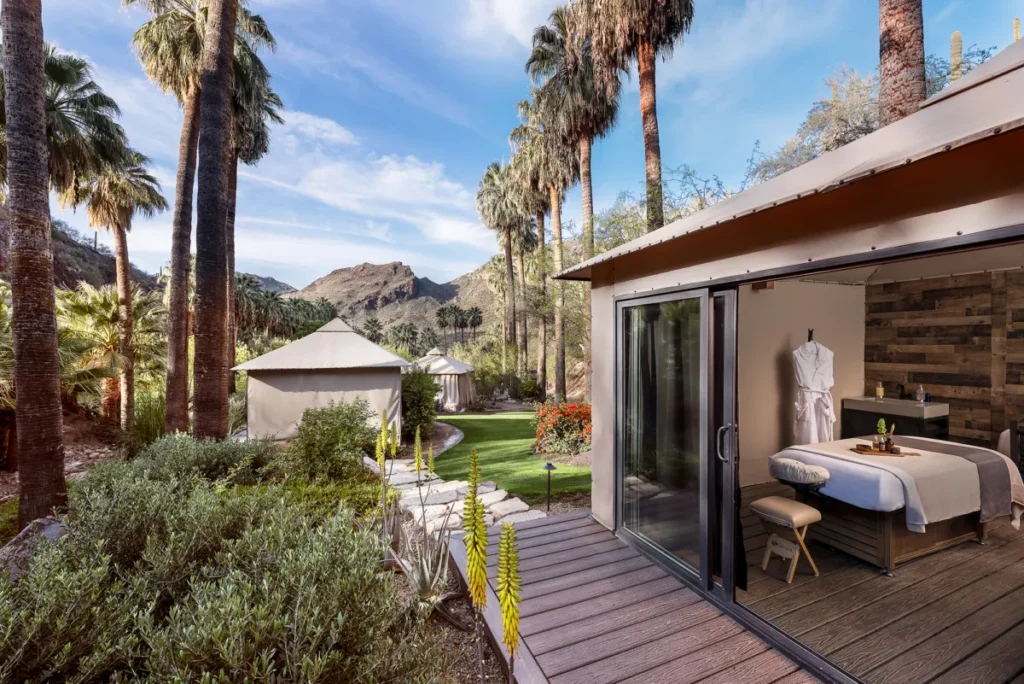
Oversimplification in this sector often leads to “Climate Dissonance,” where a traveler expects a desert retreat to mirror the humidity and constant temperature of a coastal spa. A sophisticated understanding of these retreats acknowledges that the desert is a high-stimulus environment for the body’s internal regulation systems. The “luxury” lies in the property’s ability to protect the guest from the desert’s lethality while allowing them to benefit from its “awe-inducing” scale. A value-dense retreat provides a managed threshold between the comfort of the “Refuge” and the challenge of the “Prospect.”
Furthermore, we must account for the “Scarcity of Silence.” In the United States, true acoustic silence—defined by the absence of anthropogenic noise—is becoming an endangered resource. Many of the most significant desert retreats are strategically located in “Acoustic Sinks” or “Dark Sky” reserves. For the high-stakes professional, the primary ROI of such a trip is not found in the spa menu, but in the “Cognitive Defragmentation” that occurs when the brain is removed from the high-frequency vibration of urban centers.
Historical and Systemic Context of Arid Restoration
The American relationship with desert sanctuaries has moved through three distinct systemic phases. The first was the “Clinical Era” (late 19th and early 20th centuries), where the arid West was viewed as a “Sanatorium” for those suffering from respiratory ailments. Sites in Arizona and New Mexico were medically prescribed for their “clean air” and low humidity. During this period, the desert was a place of survival rather than leisure.
The second phase was the “Mid-Century Modernist Era” (1940s-1970s), characterized by the glamour of Palm Springs. Here, the desert became a site of “Architectural Hedonism,” where the focus was on social status, golf courses, and the conquest of the climate through air conditioning. This period established the “Aesthetic Desert” model, where the landscape was a visual accessory to a high-luxury lifestyle.
Today, we are in the “Regenerative Era.” The modern seeker looks to the desert for “Bio-optimization.” We are seeing a return to the desert as a place of healing, but it is now informed by neurobiology and environmental psychology. The modern retreat is an “Environmental Intervention,” utilizing the desert’s unique properties to reset the hypothalamic-pituitary-adrenal (HPA) axis and restore “Attention Restoration” capacity.
Conceptual Frameworks for Desert Immersion
1. The “Awe and Small Self” Framework
This psychological model suggests that exposure to vast, ancient landscapes triggers the “Awe Response,” which diminishes the focus on the “individual ego” and its micro-stresses.
-
Limit: This effect is neutralized if the guest remains tethered to digital communication or if the resort’s architecture is too “inward-facing.”
2. The “Hormetic Diurnal” Model
The desert provides extreme temperature variations between day and night.
-
Mechanism: Using the desert’s natural heat during the day and its chill at night—supplemented by saunas and cold plunges—triggers cellular repair mechanisms (heat-shock and cold-shock proteins).
-
Constraint: Requires the participant to have a baseline of physical resilience; otherwise, the stress becomes “distress.”
3. The “Chronobiological Entrainment” Framework
Desert light has a specific spectral quality due to low humidity and minimal particulate matter.
-
Factor: High-intensity morning light entrains the circadian clock more effectively than diffuse coastal light.
-
Application: Resorts that encourage sunrise viewing and utilize “Dark Sky” lighting at night facilitate a more profound hormonal reset.
Taxonomy of Desert Regions and Functional Variations
The American Southwest offers several distinct “Desert Biotopes,” each providing a different psychological signal.
| Desert Region | Representative State | Primary “Signal” | Best For |
| High Sonoran | Arizona (Sedona/Tucson) | “Refuge” (Greenery/Cacti) | Emotional Regulation: First-time desert visitors |
| Mojave | California (Joshua Tree) | “Otherworldliness” (Granite/Trees) | Creative Unblocking; Perspective Shifts |
| Great Basin | Nevada / Utah | “Vastness” (Flat Plats) | Deep Silence; Cognitive Clearing |
| Chihuahuan | New Mexico / West Texas | “History/Earthiness” | Grounding: Somatic Connection |
| Colorado Plateau | Southern Utah (Amangiri) | “Geological Time” (Slot Canyons) | Awe-induction; Ego-dissolution |
Decision Logic: The “Aridity vs. Comfort” Scale
When selecting from luxury desert retreats USA, the planner must evaluate the “Environmental Load.” A retreat in the Great Basin offers the highest degree of silence and vastness but carries a high “Aridity Load” on the body. A Sonoran retreat is more “lush” and forgiving, making it a better choice for those already in a state of clinical burnout who cannot handle additional environmental stress.
Detailed Real-World Planning Scenarios
Scenario 1: The “Executive Decompression” (Sonoran Desert)
-
Objective: Lowering chronic cortisol and restoring sleep architecture.
-
The Choice: A property that offers “Climate-Managed Nature” (e.g., a luxury casita with controlled humidity).
-
Decision Point: Avoiding properties with “Social Density” (large conference hotels).
-
Failure Mode: Engaging in high-intensity desert activities (mountain biking) during the hottest part of the day, which spikes cortisol rather than lowering it.
Scenario 2: The “Creative Sabbatical” (Mojave Desert)
-
Objective: Breaking through a period of “Cognitive Stagnation.”
-
The Choice: A property with high “Architectural Transparency” (glass walls, outdoor showers).
-
Strategy: Utilizing the “Blue Hour” for contemplative walking.
-
Second-Order Effect: The visual “Noise Reduction” of the desert allows for “Incubation” of new ideas that are usually drowned out by urban visual complexity.
Economic Dynamics: The Cost of Remote Comfort
The economics of desert luxury are driven by “Logistical Fragility.” Operating a five-star facility in a water-scarce, high-temperature environment involves significant “Shadow Costs.”
| Expense Category | Direct Cost | Indirect “Value” |
| Acoustic Privacy | Acreage per guest | The “Silence Dividend” |
| Climate Support | Advanced HVAC / Water recycling | Circadian stability |
| Expert Access | Specialized guides/therapists | Safety and Depth of experience |
| Last Mile Travel | Private charters / Luxury SUV | Protection of the “Retreat Container” |
Range-Based Resource Table (Per Person/Per Night)
| Tier | Cost (USD) | Primary Service Model | Efficacy of Integration |
| Boutique Eco-Luxe | $800 – $1,500 | Self-guided; Nature-focused | High (if the guest is experienced) |
| Premium All-Inclusive | $1,800 – $3,500 | Expert-led; High-amenity | Moderate (can be “too comfortable”) |
| Ultra-High Net Worth | $4,500+ | Radical Seclusion; Total Bespoke | Maximum (Total environmental control) |
Support Systems, Tools, and Diagnostic Strategies
To optimize the ROI of luxury desert retreats in the USA, several “Support Systems” should be utilized to manage the transition from “Default Mode” to “Desert Mode.”
-
Hydration Monitoring: Using wearables or smart bottles to track electrolyte balance. The desert’s dry heat leads to “Insensible Water Loss,” which can cause subtle cognitive fatigue.
-
HRV (Heart Rate Variability) Tracking: Monitoring the “Vagal Tone.” If HRV does not increase after 48 hours, the “Environmental Load” of the desert may be too high, necessitating more indoor time.
-
The “Acoustic Taper”: Using noise-canceling headphones in the 24 hours leading up to the retreat to “pre-quiet” the nervous system.
-
Circadian-Synced Lighting: Ensuring the retreat suite uses 2700K (or lower) amber light after sunset to support melatonin production.
-
Mineral Supplementation: Specifically, Magnesium and Trace Minerals to offset the depletion caused by the heat-stress/sweat cycle.
-
“Prospect-Refuge” Audits: Evaluating if the property provides a safe “Refuge” (a dark, cool room) from which to view the “Prospect” (the vast sunlit desert).
Risk Landscape and Failure Modes
The desert is an “Indifferent Landscape.” In a luxury context, the primary risks are psychological and systemic.
-
“The Green-Screen Fallacy”: Thinking that looking at the desert through a window is the same as being in it. Without “Somatic Engagement” (walking on the sand, feeling the heat), the neurobiological benefits are minimal.
-
The “Social Friction” Risk: Many “luxury” spots become social hubs. If you are networking while in the desert, you are not retreating; you are simply changing your office’s wallpaper.
-
Compounding Risk: “The Re-entry Shock.” Returning from the 20-decibel silence of a desert retreat to a 70-decibel urban environment without a 48-hour buffer can cause an acute “Stress Rebound.”
-
Logistical Failure: Over-scheduling. Trying to do every “adventure” activity offered by the resort can lead to “Experience Exhaustion.”
Governance, Maintenance, and Long-Term Adaptation
A desert retreat is a “Systemic Reset” that requires periodic maintenance to remain effective.
-
Review Cycles: A quarterly “Acoustic Audit” of one’s home life. Does the silence of the desert still have a “Place” in your daily routine?
-
Adjustment Triggers: If your “Recovery Score” on your wearable device falls below a certain threshold for a week, it triggers a “Micro-Retreat” (a weekend in a local low-stimulus environment).
-
Layered Checklist for Long-Term Gain:
-
Post-Retreat Digital Sunset (maintain the 9 PM phone-off rule).
-
Monthly “Awe-Induction” (visit a local vista or dark sky spot).
-
Quarterly “Hormetic Day” (alternating sauna/cold shower to mimic desert diurnal shifts).
-
Measurement, Tracking, and Evaluation of Success
Evaluation of luxury desert retreats usa must be both quantitative and qualitative.
-
Leading Indicator: Resting Heart Rate (RHR). A sustained drop in RHR of 3-5 BPM during the stay is a strong signal of HPA-axis down-regulation.
-
Qualitative Signal: “The Slowing of Time.” By Day 3, does the day feel longer? This is a sign of “Attention Restoration”—the brain is no longer frantically scanning for threats or tasks.
-
Quantitative Signal: Sleep Architecture. An increase in Deep Sleep or REM sleep percentages, measured via wearable data, indicates successful circadian entrainment.
-
Documentation Example: A “Friction Log” tracking the number of times you felt the urge to check your phone. A successful retreat shows a “Decay Curve” of this urge over the duration of the stay.
Common Misconceptions and Oversimplifications
-
Myth: “The best time to go is only in the spring or fall.”
-
Correction: The “Monsoon Season” (late summer) offers a unique psychological experience of “Dynamic Desert” life that can be more restorative for some than the “Static Desert” of spring.
-
Myth: “Desert retreats are just about the heat.”
-
Correction: The “Cold” of the desert night is as biologically significant as the heat of the day.
-
Myth: “Luxury means you shouldn’t see any bugs or critters.”
-
Correction: A sterile environment is not a nature retreat. True luxury desert retreats manage the interface with local wildlife respectfully, without eradicating the “Life Signal” of the desert.
-
Myth: “The desert is always quiet.”
-
Correction: The desert is “Acoustically Transparent.” While there is no urban hum, you will hear the wind, insects, and your own heartbeat. This can be unsettling for the “Silence-Averse.”
Ethical, Practical, or Contextual Considerations
The expansion of luxury desert retreats usa must be balanced against “Water Sovereignty” and “Indigenous Heritage.” Many of the most beautiful sites are on or adjacent to ancestral lands of the Navajo, Hopi, or Tohono O’odham. A truly holistic luxury experience includes an understanding of the “Cultural Narrative” of the land. Practically, travelers must also account for “Climate Volatility.” Flash floods and extreme heat events are increasing in frequency; the “Luxury” of 2026 includes properties that have robust “Climate Resilience” and emergency protocols.
Conclusion
The evolution of the desert sanctuary from a place of “Auscultation” (listening to the body’s ills) to one of “Bio-optimization” reflects a deeper maturation in the American wellness sector. The luxury desert retreatsUSAa provides more than just a reprieve; it provides a “Temporal and Sensory Boundary” that is otherwise impossible to find in a hyper-connected world. By applying a rigorous, analytical framework to these experiences—focusing on “Signal-to-Noise” ratios and “Hormetic Stress”—the intentional traveler ensures that their desert immersion is not just a vacation, but a strategic reinvestment in their biological and cognitive sovereignty. The ultimate luxury of the desert is not found in the thread count, but in the radical return to the “Small Self” under a vast, silent sky.